

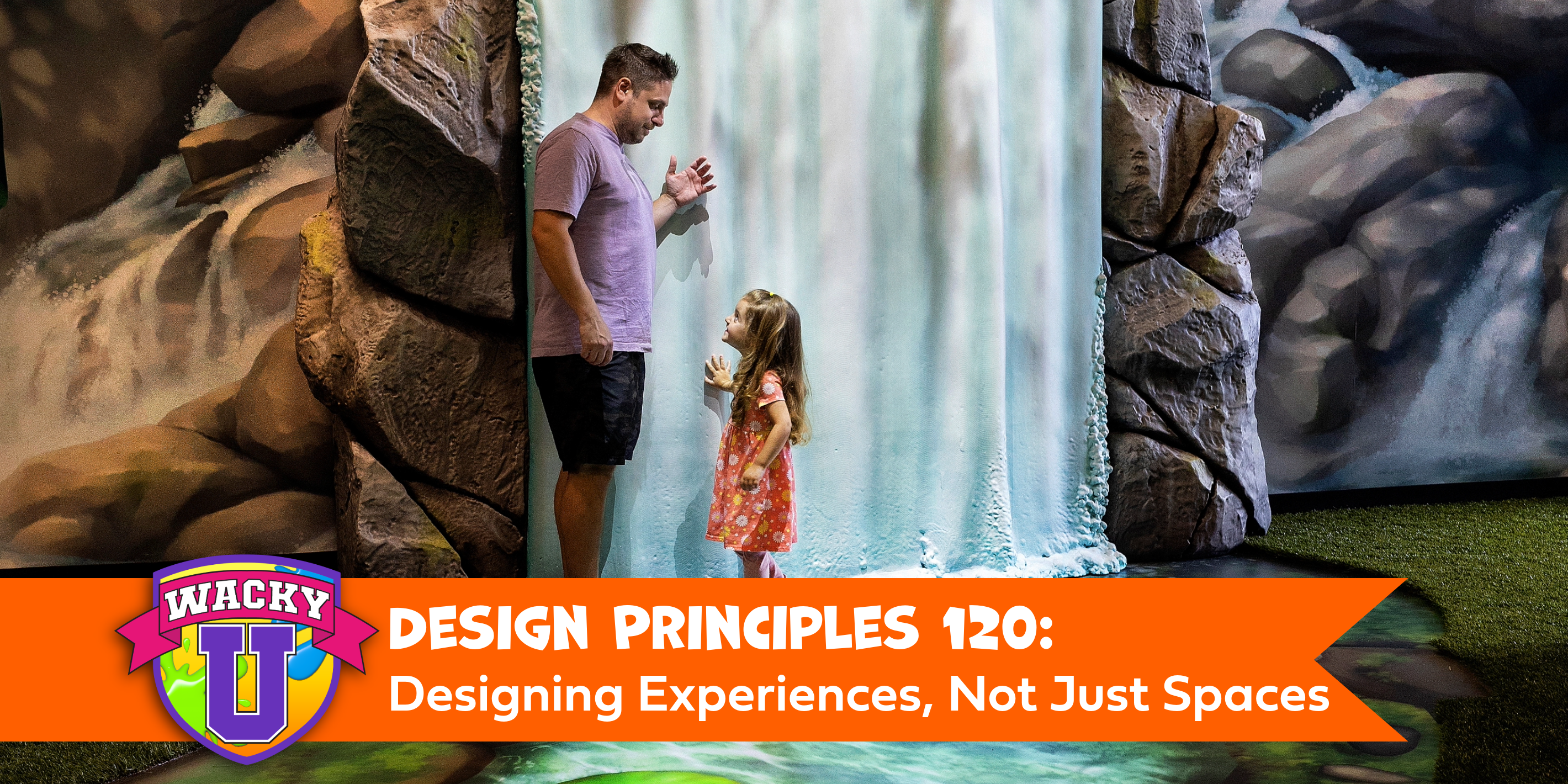
Most spaces are designed to serve a function. They help people learn, work, worship, heal, shop, play, or gather.
But some spaces do something more.
They create an experience.
Long after visitors leave, they remember how the environment made them feel, what captured their attention, and how the space stood apart from countless others they've visited.
That difference is at the heart of themed entertainment design.
While many people associate themed entertainment with theme parks and attractions, the principles behind it can be applied far beyond the entertainment industry. Museums, healthcare facilities, libraries, schools, churches, and community spaces can all benefit from thinking beyond function and aesthetics to consider the overall experience they create.
In this first installment of the series, Jamie DeRuyter, Entertainment Design Department Head at Ringling College of Art and Design, shares insights into what makes themed entertainment design different—and what other industries can learn from it.
Course Syllabus
More Than Function and Aesthetics
Designing for Experience
Turning Ideas Into Reality
Building Spaces That Last
What Other Industries Can Learn
- Healthcare
- Children's Ministry
- Schools and Early Learning Centers
- Parks and Recreation Facilities
Key Takeaways
Watch the Interview
Frequently Asked Questions
- What is themed entertainment design?
- How is themed entertainment design different from interior design?
- What makes an environment memorable?
- Can themed entertainment principles be used outside of theme parks?
- Why do experiences matter in design?
More Than Function and Aesthetics
Traditional design disciplines often focus on creating spaces that are functional, attractive, safe, and efficient. Those goals are important and necessary.
Themed entertainment design adds another layer to the conversation.
Instead of focusing solely on what a space looks like or how it functions, designers also consider how people will experience it.
How will visitors move through the environment? What will capture their attention? What emotions should they feel? What memories will they take with them?
To answer those questions, themed entertainment designers often start with story. That story may be tied to familiar characters, a fictional world, a historical setting, or an entirely original concept. Whatever the source, storytelling helps provide context and meaning, turning a collection of design elements into a cohesive experience.
As DeRuyter explains:
"We're creating experiences for people. We're creating places that people can inhabit and become part of."
That mindset influences every design decision that follows.
Designing for Experience
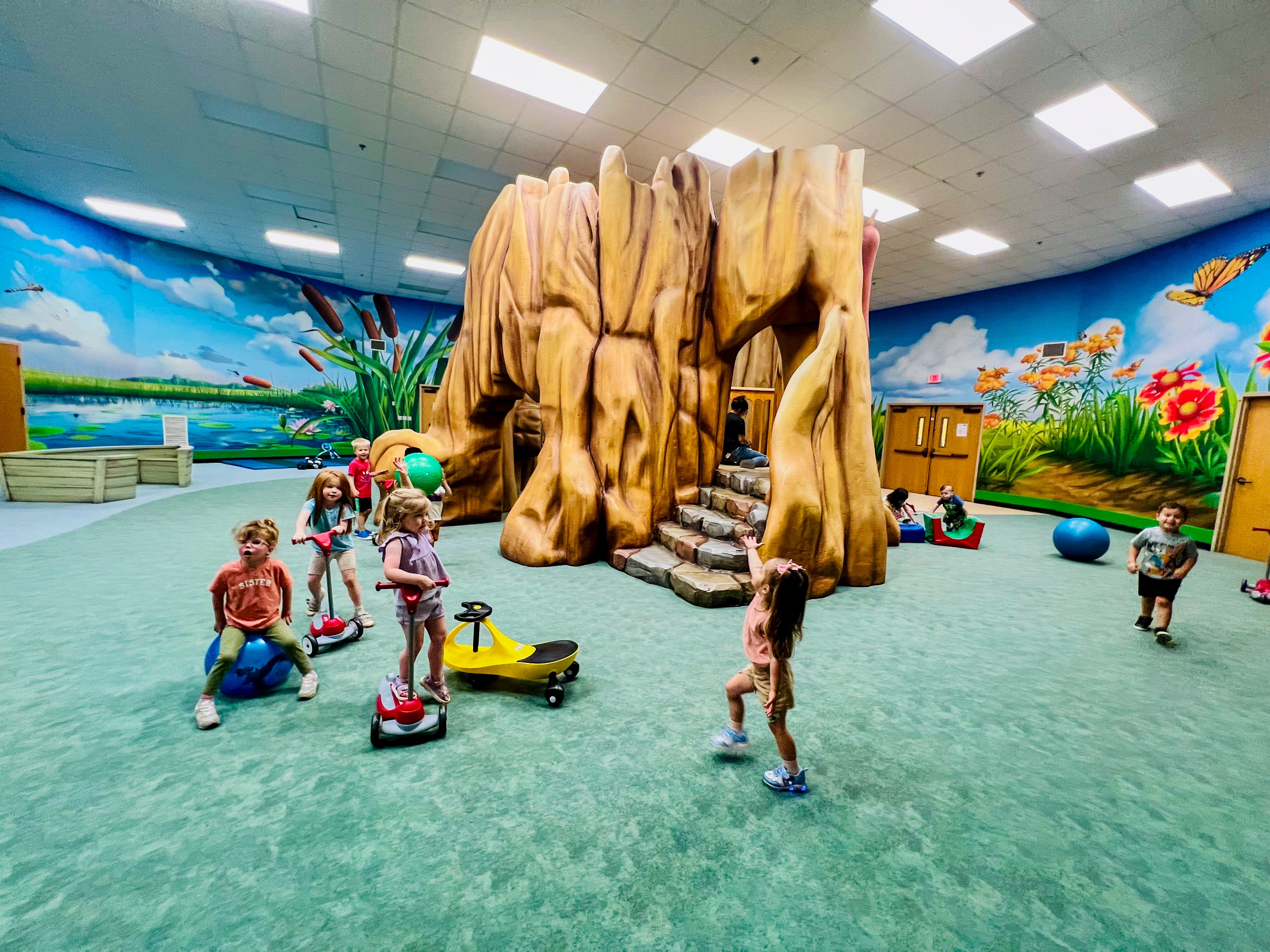
One of the defining characteristics of themed entertainment design is that visitors become participants rather than passive observers.
One of the tools themed entertainment designers use to shape experiences is environmental storytelling. Rather than relying solely on signs or written explanations, the environment itself helps communicate meaning. Architecture, props, graphics, textures, and visual details all contribute to the larger narrative of a place.
DeRuyter asks:
"Why is this space the way it is? How did it get to be this way? What's happening in it now?"
Rather than simply moving people through a building, immersive environments encourage people to engage with the world around them.
Guests aren't just looking at a space.
They're experiencing it.
That may sound like a subtle distinction, but it has significant implications for how environments are planned and designed.
Every detail becomes an opportunity to support the overall experience. Architecture, graphics, props, lighting, finishes, and environmental elements all work together to create something larger than the sum of their parts.
In themed entertainment, success isn't measured solely by whether a space functions properly. It's also measured by whether the experience feels engaging, memorable, and meaningful.
Turning Ideas Into Reality
Another aspect that makes themed entertainment unique is the challenge of transforming imaginative ideas into physical environments.
Many immersive environments begin with a story, an idea, or a fictional world. Designers must then determine how to transform those concepts into places people can physically experience.
That often requires a level of custom craftsmanship that differs from traditional construction.
As DeRuyter notes:
"We're taking things that don't exist and figuring out how to make them exist."
Whether it's a themed attraction, museum exhibit, children's ministry environment, or healthcare waiting area, the goal is often the same: create something that feels believable enough for visitors to accept and engage with.
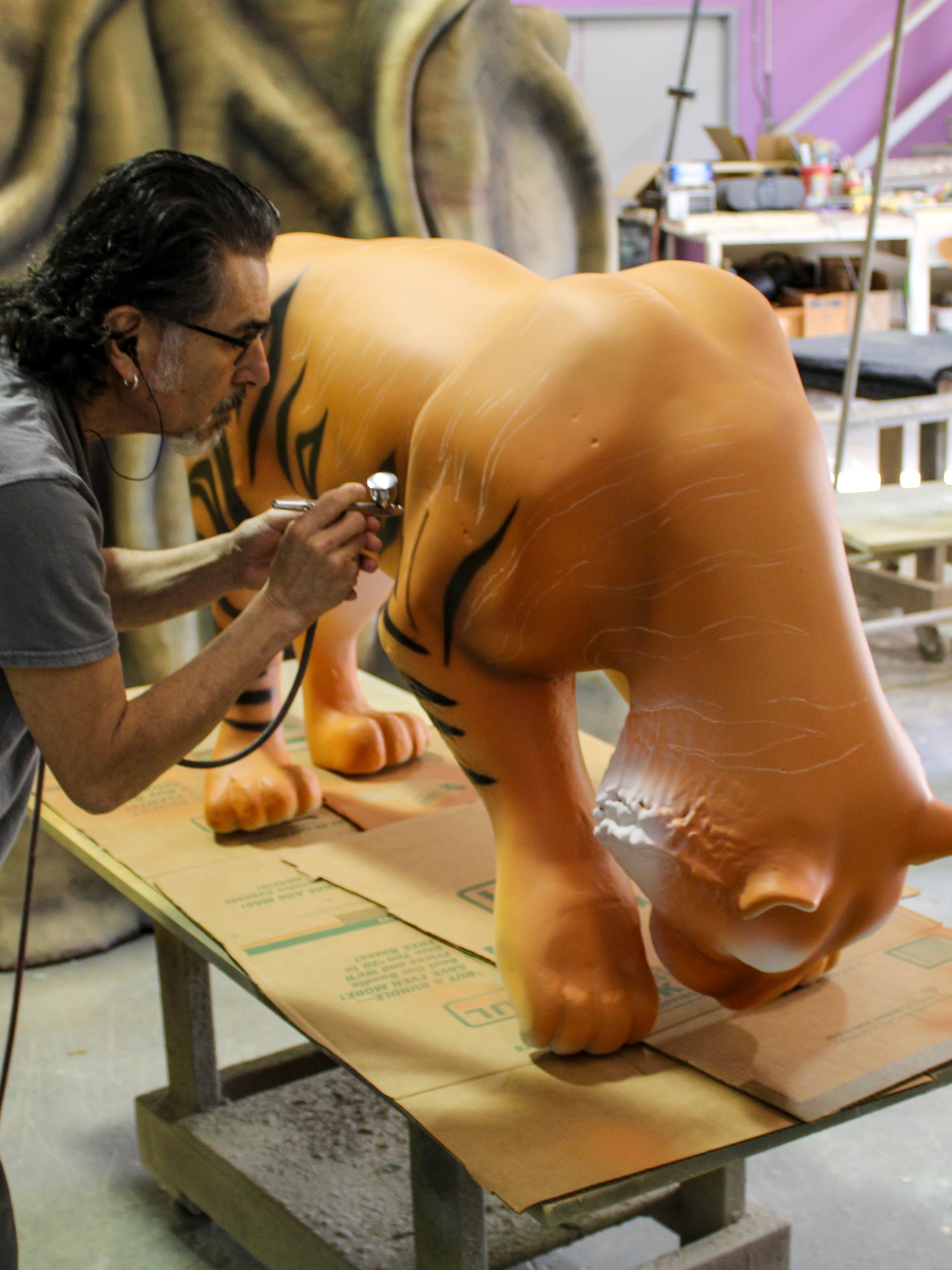
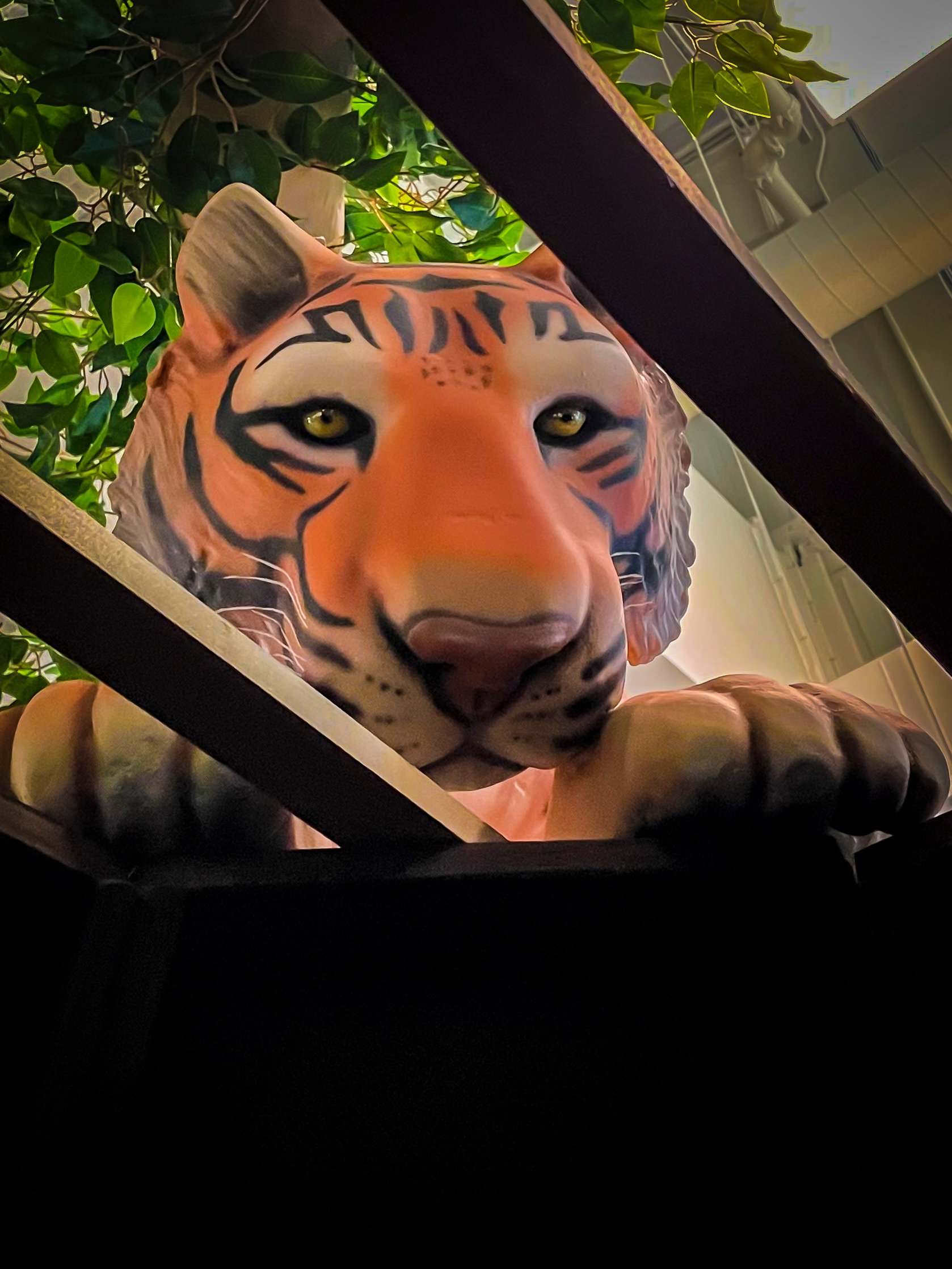
This process requires collaboration between designers, artists, fabricators, engineers, and installers. It also requires balancing creativity with practical considerations like durability, maintenance, safety, and budget.
Building Spaces That Last
Many commercial interiors are refreshed every few years as trends evolve and branding changes.
Immersive environments often have a longer lifespan.
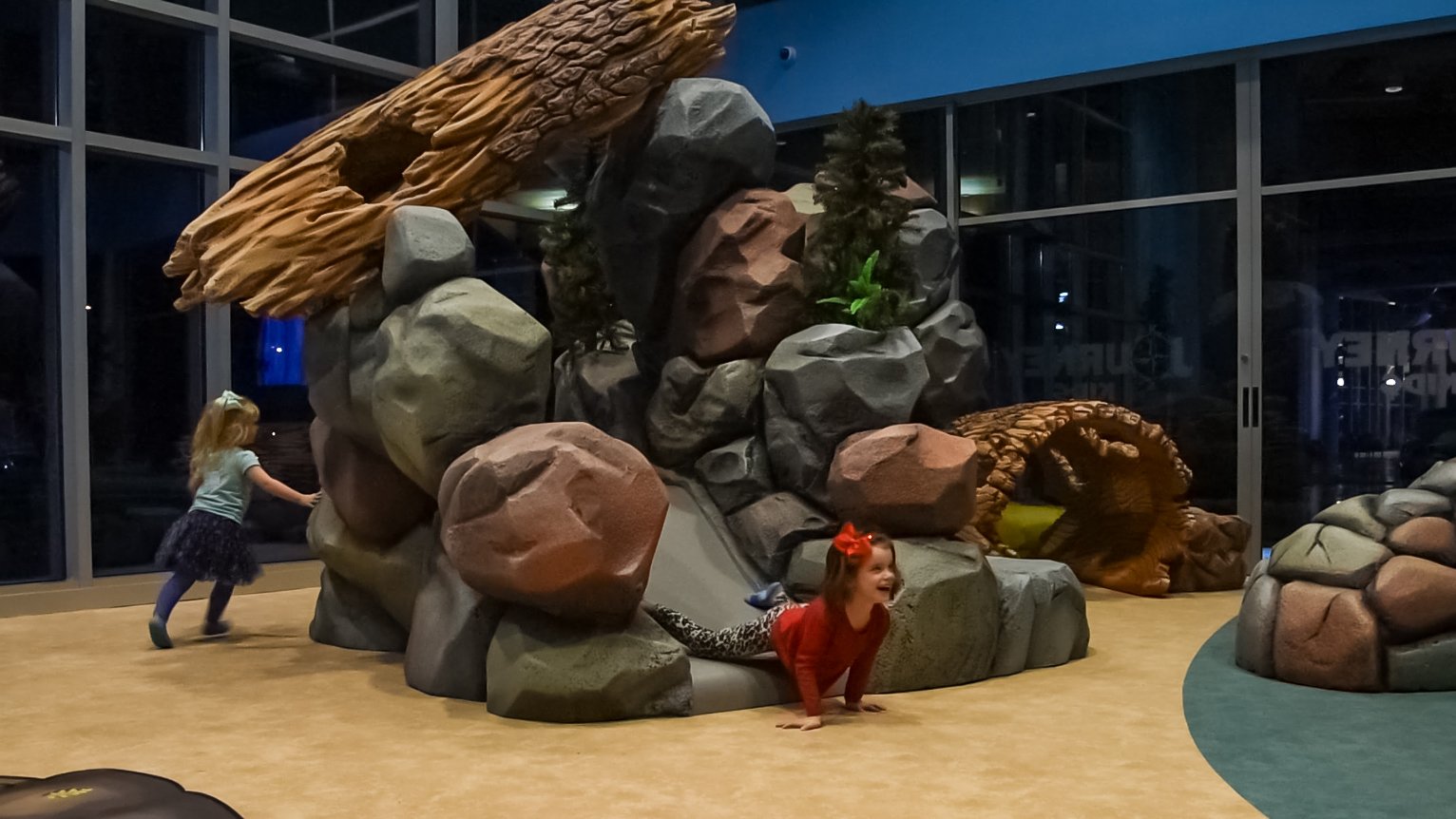
Theme park attractions, museum exhibits, educational environments, and community spaces may be expected to remain relevant and engaging for years—or even decades.
That reality affects everything from material selection to design decisions.
According to DeRuyter, themed environments frequently need to be built with longevity in mind because replacing or completely redesigning them is rarely practical.
A successful environment must not only create a memorable first impression but continue delivering value long after opening day.
What Other Industries Can Learn
While themed entertainment may seem like a specialized field, many of its principles translate surprisingly well to other industries.
Healthcare
Healthcare environments can benefit from thinking beyond function and considering how design influences patient comfort, engagement, and overall experience.
Children's Ministry
Children's environments can reinforce lessons and create anticipation by giving kids a place they want to return to week after week.
Education
Schools, libraries, and museums can use immersive design techniques to encourage curiosity, exploration, and learning.
Parks and Recreation
Community facilities can become destinations rather than simply buildings by creating experiences that people remember and share with others.
The common thread is simple: People rarely remember spaces because they were functional. They remember spaces because of the experiences they had within them.
Key Takeaways
- Themed entertainment design focuses on creating experiences, not just spaces.
- Storytelling helps provide context and meaning within immersive environments.
- Designers use architecture, graphics, props, and other elements to support the guest experience.
- Custom craftsmanship often brings imaginative concepts into the real world.
- These principles can be applied far beyond theme parks.
Watch the Interview
In this first installment of What Themed Entertainment Can Teach Us About Designing Memorable Spaces, Jamie DeRuyter discusses how themed entertainment design differs from traditional design disciplines and why the guest experience plays such an important role in creating memorable environments.
Frequently Asked Questions
What is themed entertainment design?
Themed entertainment design is the practice of creating immersive environments and experiences that combine storytelling, design, art, technology, and fabrication to engage visitors.
How is themed entertainment design different from interior design?
While interior design often focuses on function, aesthetics, and usability, themed entertainment design also considers the overall experience visitors will have within a space.
What makes an environment memorable?
Memorable environments engage people emotionally, encourage interaction, and create experiences that stand out from everyday surroundings.
Can themed entertainment principles be used outside of theme parks?
Yes. Healthcare facilities, schools, museums, libraries, churches, parks, and community spaces can all apply immersive design principles to create more engaging environments.
Why do experiences matter in design?
People often evaluate spaces based on how they feel and what they remember. Designing for experience can strengthen engagement, satisfaction, and long-term impact.
Stay in the know with Wacky World Studios! We're here to help you with all stages of your theming journey. Make sure you sign up for our monthly newsletter and subscribe to this blog for even more handy theming resources and information. You can also find lots of great inspiration by following us on social media. Our Pinterest and Instagram pages are overflowing with photos and ideas.
And for you DIYers, be sure to check out our online shop at WackyWorldDIY.com.
This article was co-written with human creatives and AI tools, and the content was checked for clarity and accuracy. Photo/video credits: Wacky World Studios, Charles Coleman Photography, Bourbonnais Township Park District, and Special Care, Inc.