

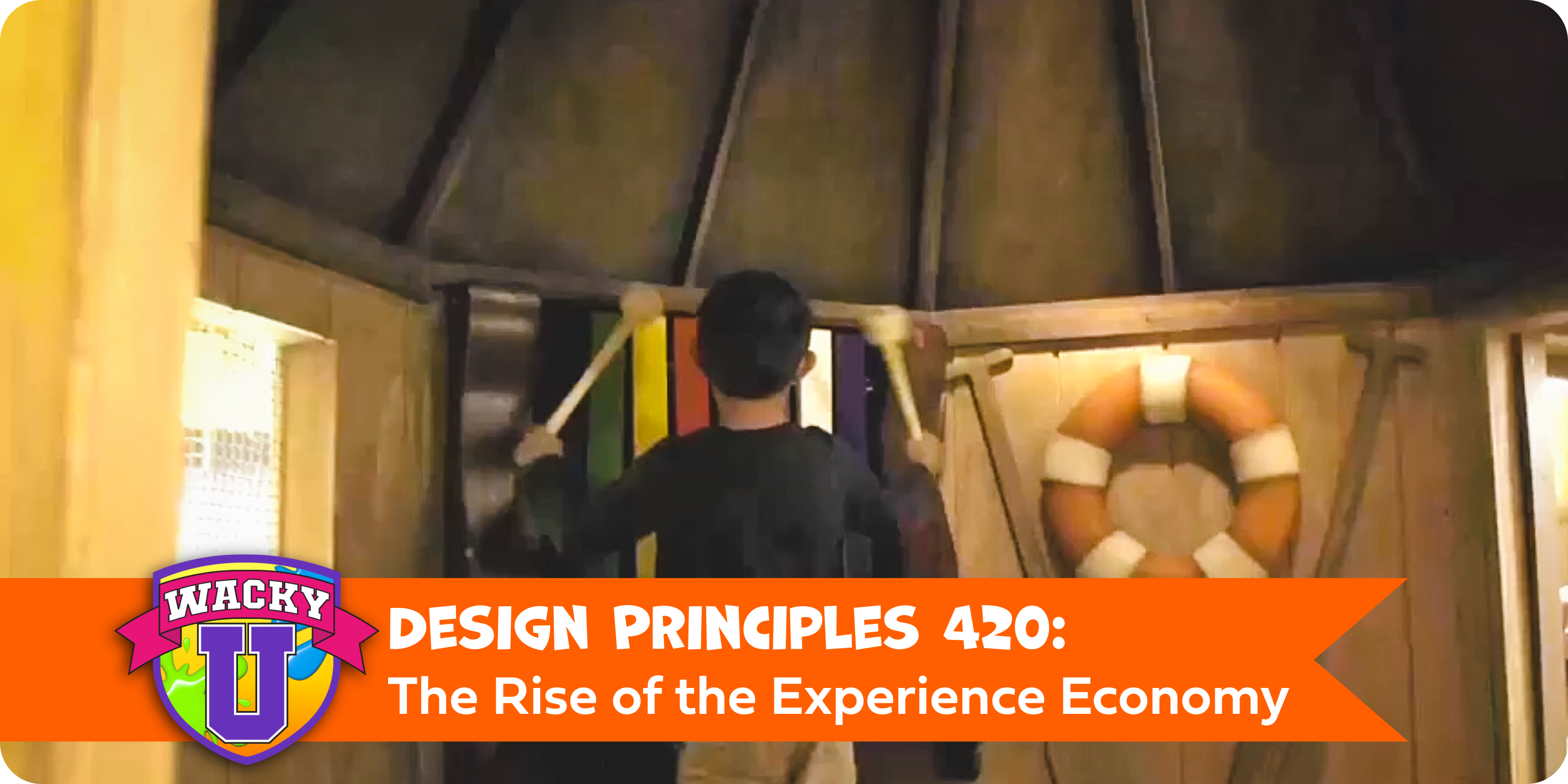
For years, immersive environments were associated primarily with theme parks and entertainment destinations. Today, they're showing up almost everywhere.
Retail stores are creating memorable shopping experiences.
Museums are transforming exhibits into immersive stories.
Healthcare facilities are rethinking patient environments.
Corporate headquarters are investing in welcoming, experience-driven lobbies.
Why?
Because expectations have changed.
According to Jamie DeRuyter, Entertainment Design Department Head at Ringling College of Art and Design, experience has become a driving force across nearly every industry. Organizations are discovering that people don't just remember what they bought or accomplished—they remember how the experience made them feel.
Course Syllabus
Experience Has Become a Competitive Advantage
The Experience Economy Is Expanding
Museums Show Where Things Are Headed
Real-World Examples: Experience Beyond Entertainment
What This Means for Every Industry
Looking Ahead
Key Takeaways
Watch the Interview
Frequently Asked Questions
- What is the experience economy?
- Why are immersive environments becoming more common?
- Which industries benefit from experience design?
- Does every immersive environment need to be highly themed?
- Why are physical spaces still important in a digital world?
Experience Has Become a Competitive Advantage
Think about the last time you chose to visit a brick-and-mortar store instead of ordering online. Convenience probably wasn't the reason.
You could have purchased the same item with a few clicks from your couch. Instead, you chose to visit a physical location because it offered something different.
An experience.
As DeRuyter explains, this shift is happening across industries. Physical spaces increasingly need to offer something that can't be replicated online. Whether it's an engaging retail environment, an immersive museum exhibit, or a thoughtfully designed children's ministry, the experience itself has become part of the value being offered.
"Experience is paramount."
The Experience Economy Is Expanding
The term experience economy describes a simple idea: people increasingly value memorable experiences alongside the products and services they receive.
That shift is changing how organizations think about their physical spaces.
Healthcare providers are looking beyond sterile waiting rooms to create more welcoming patient experiences.
Corporate headquarters are using architecture and environmental design to communicate innovation and professionalism before a meeting even begins.
Retail stores are creating environments that encourage customers to linger, explore, and engage with a brand in ways that online shopping simply can't replicate.
In each case, the environment becomes part of the overall experience.
Museums Show Where Things Are Headed
Museums offer one of the clearest examples of this evolution.
Traditionally, exhibits focused on displaying artifacts and presenting information. Today, many museums are asking a different question:
How can visitors experience the story instead of simply reading about it?
As DeRuyter explains, museums are moving beyond placing artifacts behind glass. Instead, they're creating immersive environments where visitors can step into a story, even if only for a few moments.
It's a shift from passive observation to active participation.
And it's happening far beyond museums.
Real World Examples: Experience Beyond Entertainment
The experience economy isn't limited to attractions or destinations.
Organizations across many industries are using immersive environments to strengthen the experiences they provide.
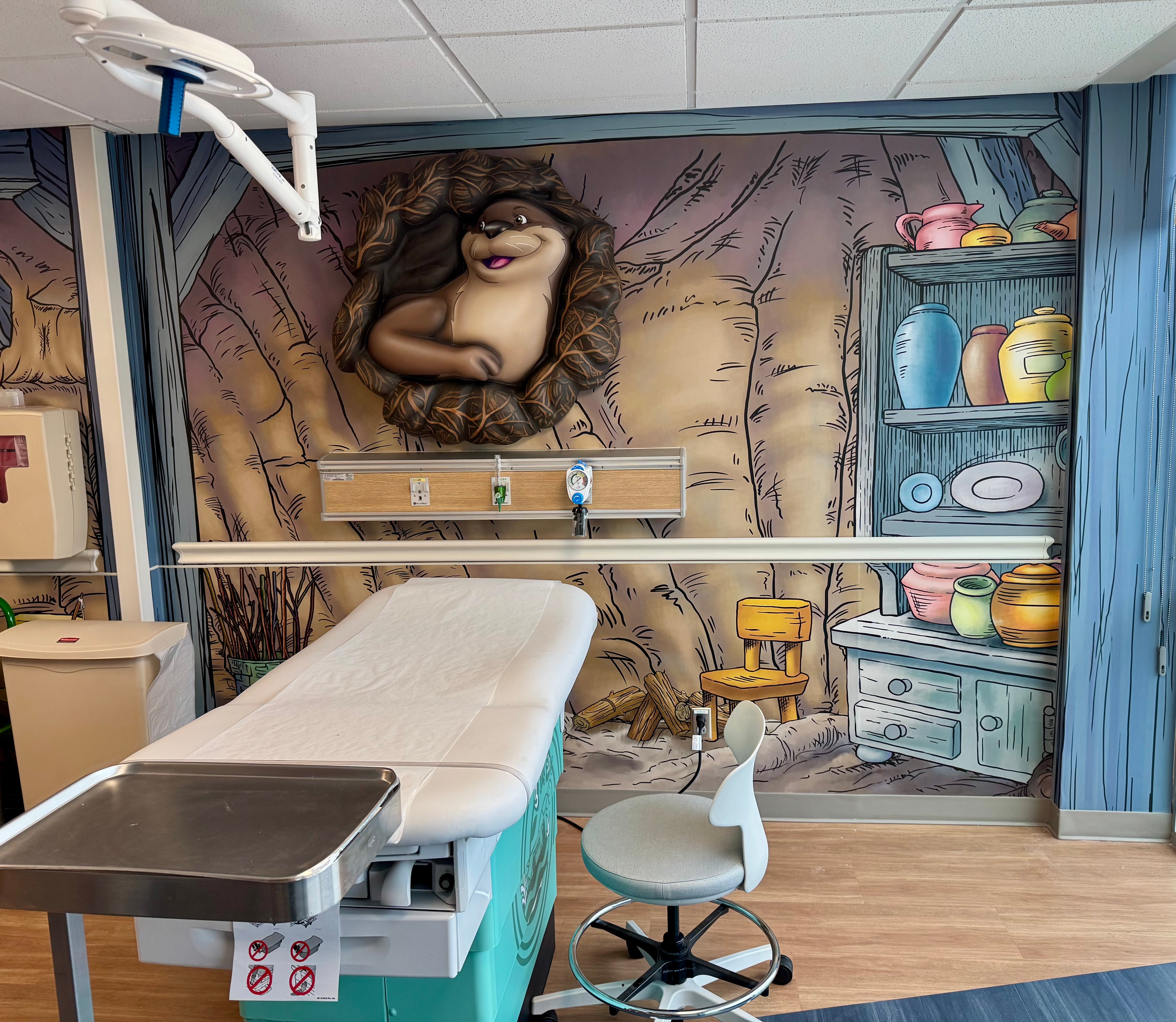
At the Bill & Olivia Amos Children's Hospital, immersive themed environments help transform hallways and treatment areas into welcoming spaces for young patients and their families.
Medical care remains the primary focus.
The environment simply helps support that experience by creating a setting that feels engaging, comforting, and designed specifically for children.
It's a reminder that experience design isn't about entertainment.
It's about helping people feel more at ease in places where that matters most.
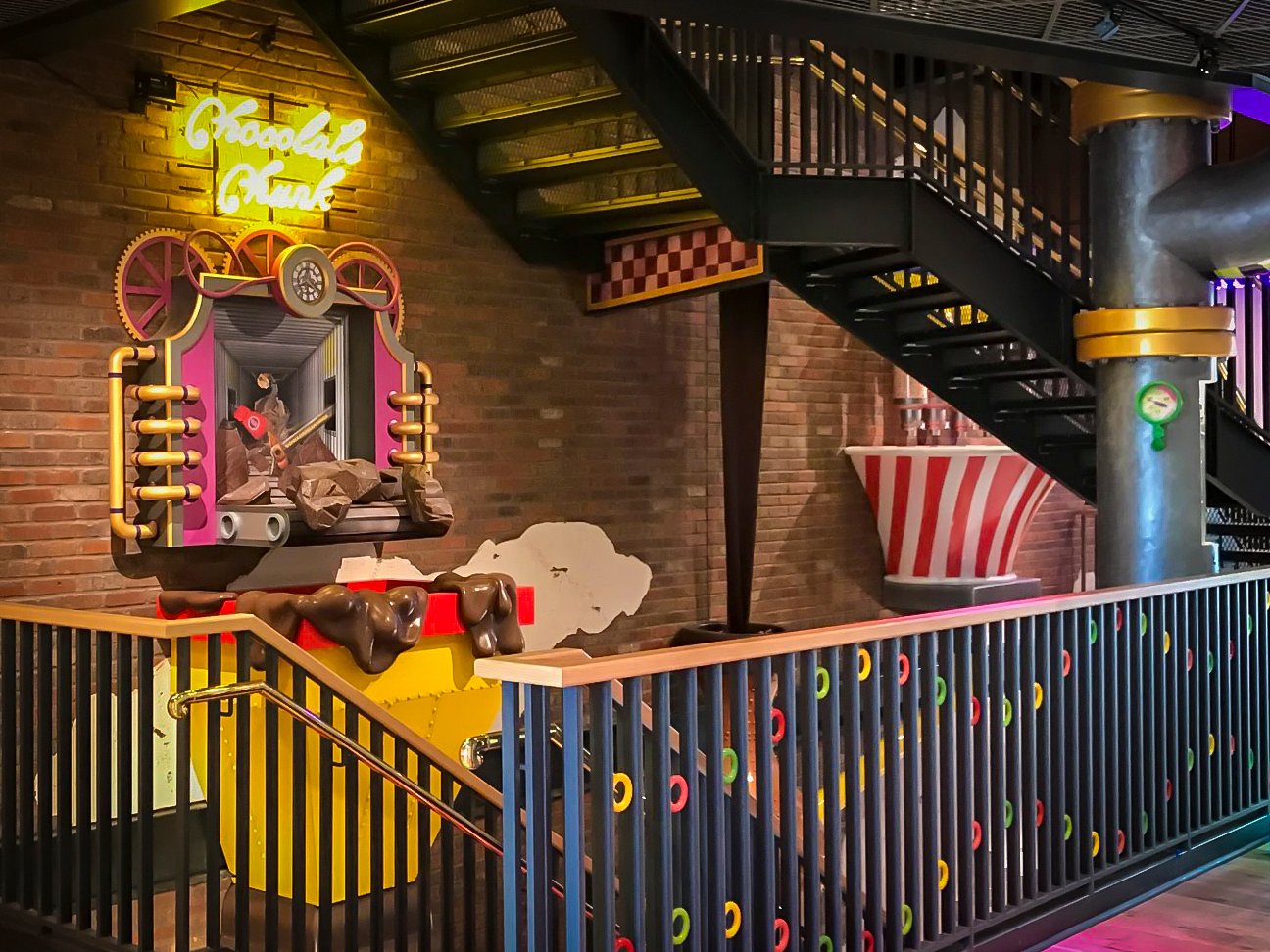
The experience economy extends well beyond public-facing spaces.
Epic Systems, one of the world's leading healthcare software companies, has built an expansive campus of themed environments designed to inspire creativity, encourage collaboration, and make work itself a more engaging experience. From storybook villages to fantasy worlds and a whimsical chocolate factory, the campus demonstrates that thoughtfully designed environments can influence culture, reinforce company values, and create memorable experiences for employees and visitors alike.
Whether the audience is a young patient or a software engineer, the principle remains the same:
The environment becomes part of the experience.
What This Means for Every Industry
Experience design is no longer limited to entertainment venues.
Churches can create spaces that help families feel welcomed before a service begins.
Libraries can encourage exploration and discovery.
Schools can create environments that inspire curiosity.
Healthcare facilities can reduce stress and improve first impressions.
Corporate offices can reinforce brand identity before a conversation even starts.
The industries may be different. The principle is the same. People remember experiences. And the environment plays an important role in shaping them.
Looking Ahead
As expectations continue to evolve, organizations will face an important question:
What kind of experience are we creating?
That question extends far beyond architecture or interior design. It influences how people perceive a brand, remember an organization, and decide whether they want to return.
The experience economy isn't about making every space feel like a theme park. It's about recognizing that thoughtfully designed environments can support meaningful human experiences wherever they happen.
Key Takeaways
- Experience has become a competitive advantage across many industries.
- Physical spaces offer opportunities that digital experiences cannot.
- Museums, healthcare, retail, churches, and corporate spaces are increasingly embracing immersive design.
- Experience design supports—not replaces—the core purpose of a space.
- Organizations that invest in memorable experiences often create stronger connections with the people they serve.
Watch the Interview
In this seventh installment of What Themed Entertainment Can Teach Us About Designing Memorable Spaces, Jamie DeRuyter explains how themed environments can elevate the overall experience and influence how people perceive quality, value, and impact.
Frequently Asked Questions
What is the experience economy?
The experience economy describes the growing emphasis on creating memorable experiences alongside products and services, making customer experience a key competitive advantage.
Why are immersive environments becoming more common?
Organizations across many industries are recognizing that thoughtfully designed environments can improve engagement, strengthen first impressions, and create more memorable experiences.
Which industries benefit from experience design?
Retail, healthcare, museums, churches, schools, libraries, parks and recreation, corporate offices, and many other organizations can benefit from experience-focused design.
Does every immersive environment need to be highly themed?
No. Experience design is about intentionally supporting the purpose of a space. Sometimes subtle environmental improvements can have a meaningful impact.
Why are physical spaces still important in a digital world?
Physical environments provide opportunities for human interaction, sensory engagement, and shared experiences that can't be fully replicated online.
Stay in the know with Wacky World Studios! We're here to help you with all stages of your theming journey. Make sure you sign up for our monthly newsletter and subscribe to this blog for even more handy theming resources and information. You can also find lots of great inspiration by following us on social media. Our Pinterest and Instagram pages are overflowing with photos and ideas.
And for you DIYers, be sure to check out our online shop at WackyWorldDIY.com.
This article was co-written with human creatives and AI tools, and the content was checked for clarity and accuracy. Photo/video credits: Wacky World Studios, and Piedmont Healthcare.