

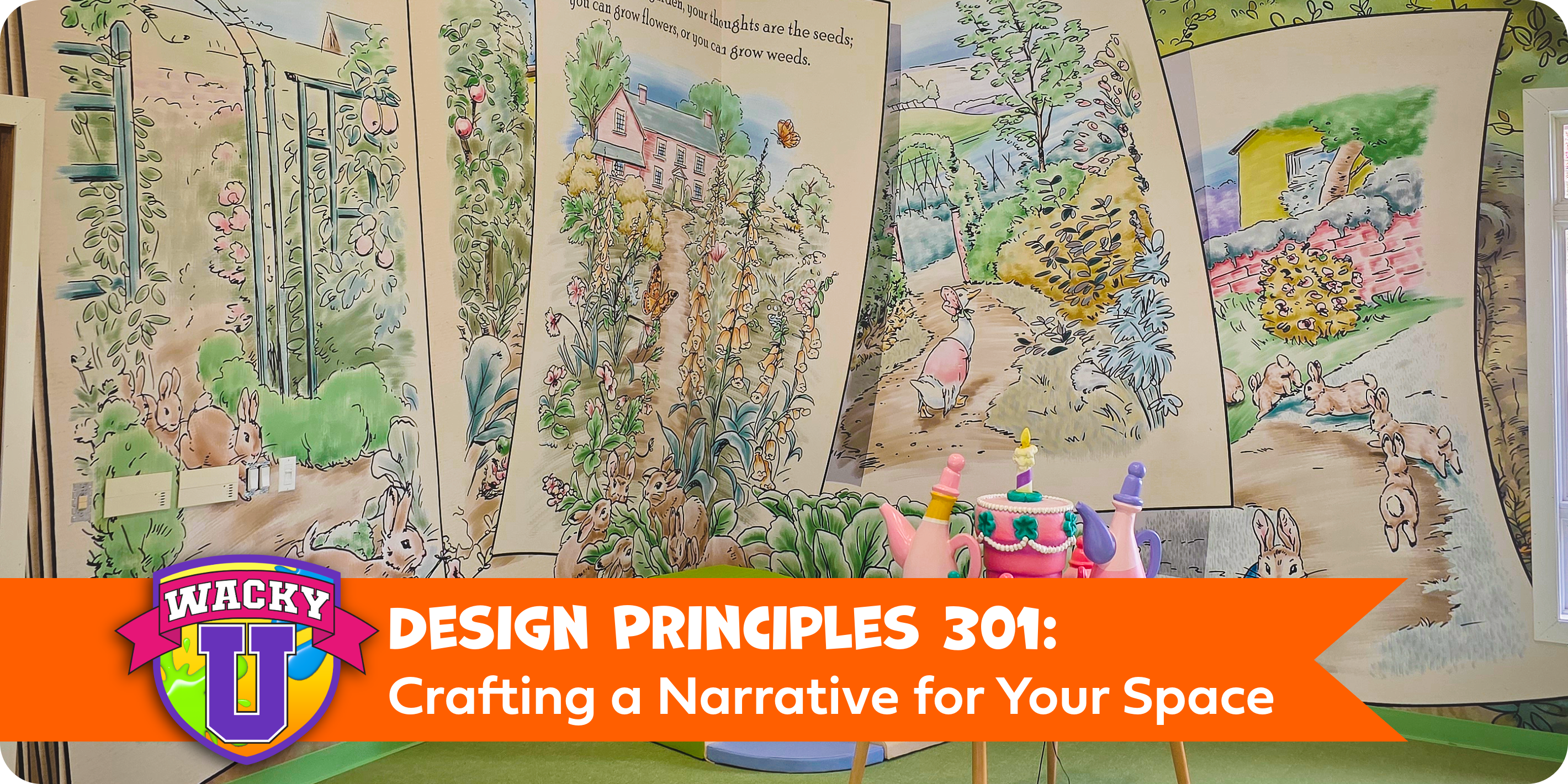
In design, storytelling is often treated as a decorative flourish—something nice to have, after the layout is done and the furniture is chosen. But this sequence is backwards. A compelling story isn’t something you add to a space. It’s something you build into its structure from the beginning. Narrative is a spatial tool. It shapes how people move, what they notice, how they feel, and what they remember. As environments become more interactive, immersive, and experience-driven, storytelling emerges not as an optional layer, but as an essential design framework.
At its core, storytelling in space is about meaning. Why does this place exist? What does it invite people to become? Story turns space into place, and place into experience. It also supports memory, identity, and engagement. People are far more likely to remember environments that had an emotional arc, a sense of pacing, or even surprise. Those who understand this can create environments that linger in the imagination long after someone leaves.
Course Syllabus
Spaces Speak: What Is Your Environment Saying?
- All Spaces Communicate
- Making Narrative Part of the Physical Structure
Case Study: Tree Top Escape
Case Study: Kids Rock Pediatric Dentistry
Narrative Logic and the Visitor Journey
- Stages and Pacing Techniques
- Building Emotional Arcs
The Role of Symbol and Metaphor
- Metaphors Build Meaning
- Symbolism and the Visitor Experience
Adaptive Storytelling and the Living Narrative
Storytelling Across Contexts: Beyond Kids' Spaces
Designing with Intentional Narrative
Spaces Speak: What is Your Environment Saying?
All spaces communicate. Some whisper; others shout. Whether or not the design is intentional, visitors pick up cues about what a place is, what it expects from them, and what role they’re supposed to play. Storytelling in spatial design means curating those cues so that the space doesn’t just function—it resonates.
Research shows that children’s behavior is highly responsive to spatial cues. Additional studies indicate that nature-inspired play areas were shown to stimulate more creative and social forms of play compared to standard playgrounds (Prins, et al, 2022). The environment itself became a co-author in how children played, engaged, and collaborated.
Storytelling builds on this principle by integrating narrative into the physical structure. It begins with a simple question: What is the world being built here? What emotions should it spark? Who are the characters, and how can the environment foster imagination? Every design choice becomes a piece of the narrative puzzle—murals, sculptural elements, materials, lighting, transitions, even sound and scent.
Case Study: Tree Top Escape
At the West Chicago Park District’s ARC Center, Wacky World Studios transformed a conventional indoor play area into Tree Top Escape, a full-scale jungle-themed adventure inspired by The Swiss Family Robinson. The environment invites children into a lush canopy where oversized flora and fauna, rope bridges, carved tree trunks, and winding slides create the feeling of a high-up hideout in an ancient jungle.
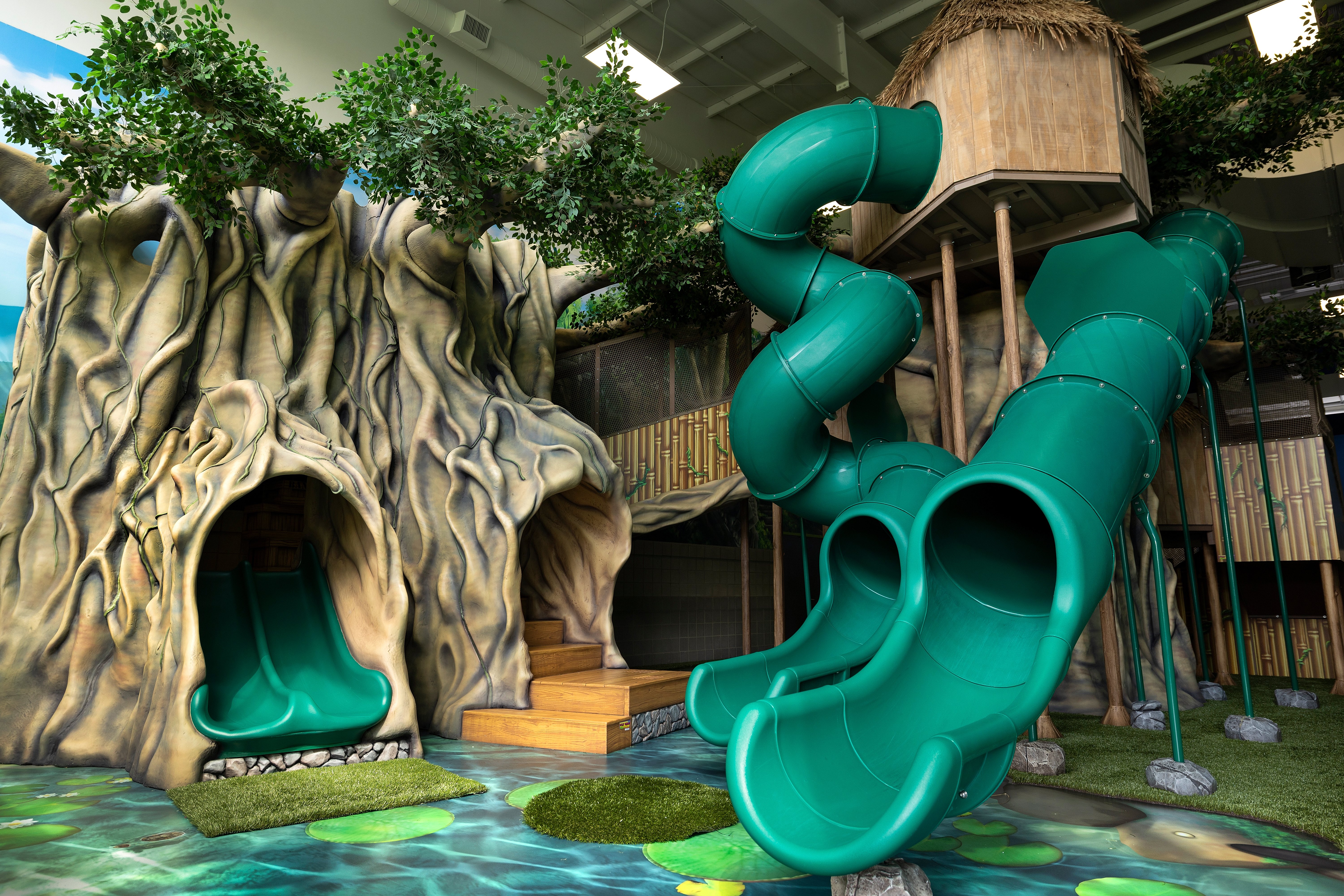
The vision of the design was to encourage physical movement while creating immersive, open-ended storytelling opportunities. The jungle theme isn’t just skin-deep—it shapes how kids explore. Every zone offers its own visual rhythm and spatial metaphor: large sculptural animals suggest companionship and scale, bridges imply transition and suspense, and treehouses evoke shelter and autonomy. There’s no single story to follow—only a richly suggestive setting for infinite stories.
The result is a space that supports physical activity, creativity, and emotional engagement. It invites kids to write their own storylines while offering enough coherence and context to make those stories feel grounded. Importantly, the design also considers adults: parents have clear sightlines, and the space encourages shared play across generations.
Case Study: Kids Rock Pediatric Dentistry
At Kids Rock Pediatric Dentistry in Colorado Springs, a routine dental visit becomes a swashbuckling rescue mission. The narrative: the tooth fairy has been kidnapped by pirates, and young patients must join the quest to save her.
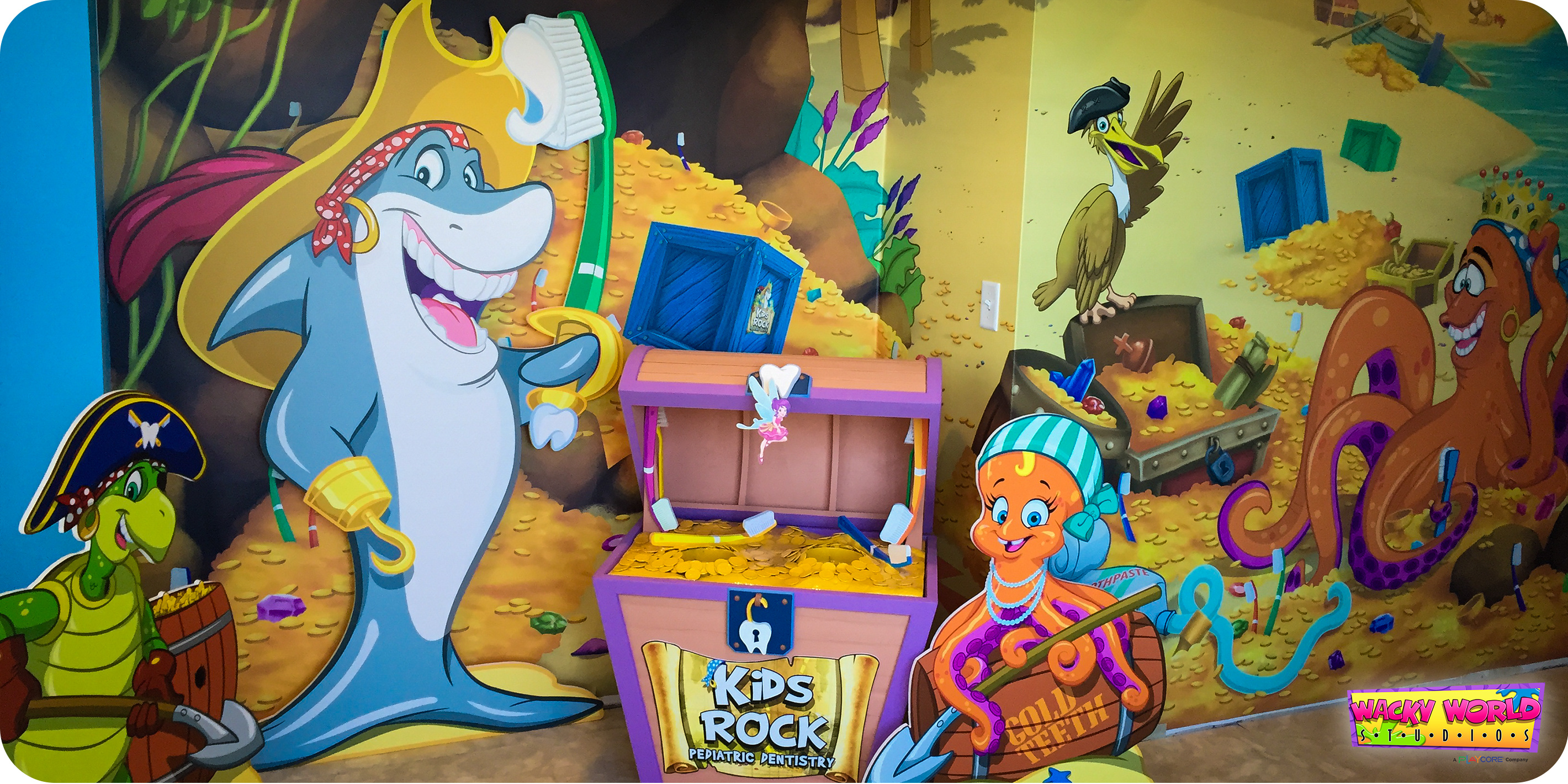
This storyline is embedded into every detail of the space. Visitors step into a pirate ship waiting room, traverse the decks, and interact with ocean characters. Sculptural elements, interactive tech, and themed treatment rooms sustain the story from arrival to exit.
The design goes beyond distraction—it reframes the entire experience. In a setting often associated with fear or discomfort, the space creates empowerment and intrigue. The child is no longer a passive patient—they are an active hero.
The payoff? Increased comfort, better cooperation, and a lasting emotional connection. In short, the design turns a high-stress environment into an emotionally positive and memorable one.
Narrative Logic and the Visitor Journey
Narrative spaces follow a kind of logic—a rhythm of entry, transition, climax, and resolution. These stages don’t have to be literal, but they should be felt. Spatial storytelling borrows pacing techniques from film and literature. A narrow entry corridor can act like the first page of a book, creating anticipation. A reveal around a corner might function as a plot twist. An immersive room may offer a moment of narrative climax before easing back into a more open, reflective exit.
Architect Bernard Tschumi famously argued that architecture is not just about form—it is defined by the events and actions it frames. In his words, “there is no architecture without event” (tschumi.com). In narrative design, thresholds become acts of transformation. Transitions become plot devices. Even furniture can become a prop in the unfolding action.
This logic can be used to build emotional arcs into the visitor experience. A children’s museum, for example, might open with high-energy, kinesthetic exhibits, then funnel guests into more contemplative areas—mimicking the rise and fall of narrative tension.
The Role of Symbol and Metaphor

In storytelling, metaphors build meaning. In space, materials, shapes, and symbols serve the same function. A spiral staircase might evoke wonder. A wall of doors could suggest choice or mystery. These choices aren't arbitrary—they speak in visual and tactile language.
Symbolic thinking is foundational to how people experience the world. When a space uses recognizable symbols, it connects with users on a deeper level—activating memory, emotion, and even cultural context. A lighthouse doesn’t just light the way; it symbolizes guidance. A cave isn’t just a hole in the wall; it represents mystery, protection, or a rite of passage.
When theming draws on metaphor, it deepens the story. A pirate ship becomes more than a playground—it becomes a vessel for adventure, risk, and transformation. A jungle isn’t just a setting—it’s a symbol of the unknown, full of discovery and challenge.
Good metaphor isn’t decorative. It’s functional. It tells users what kind of story they’re in without saying a word. That’s the power of spatial storytelling—it doesn’t rely on instruction. It communicates through form.
Adaptive Storytelling and the Living Narrative
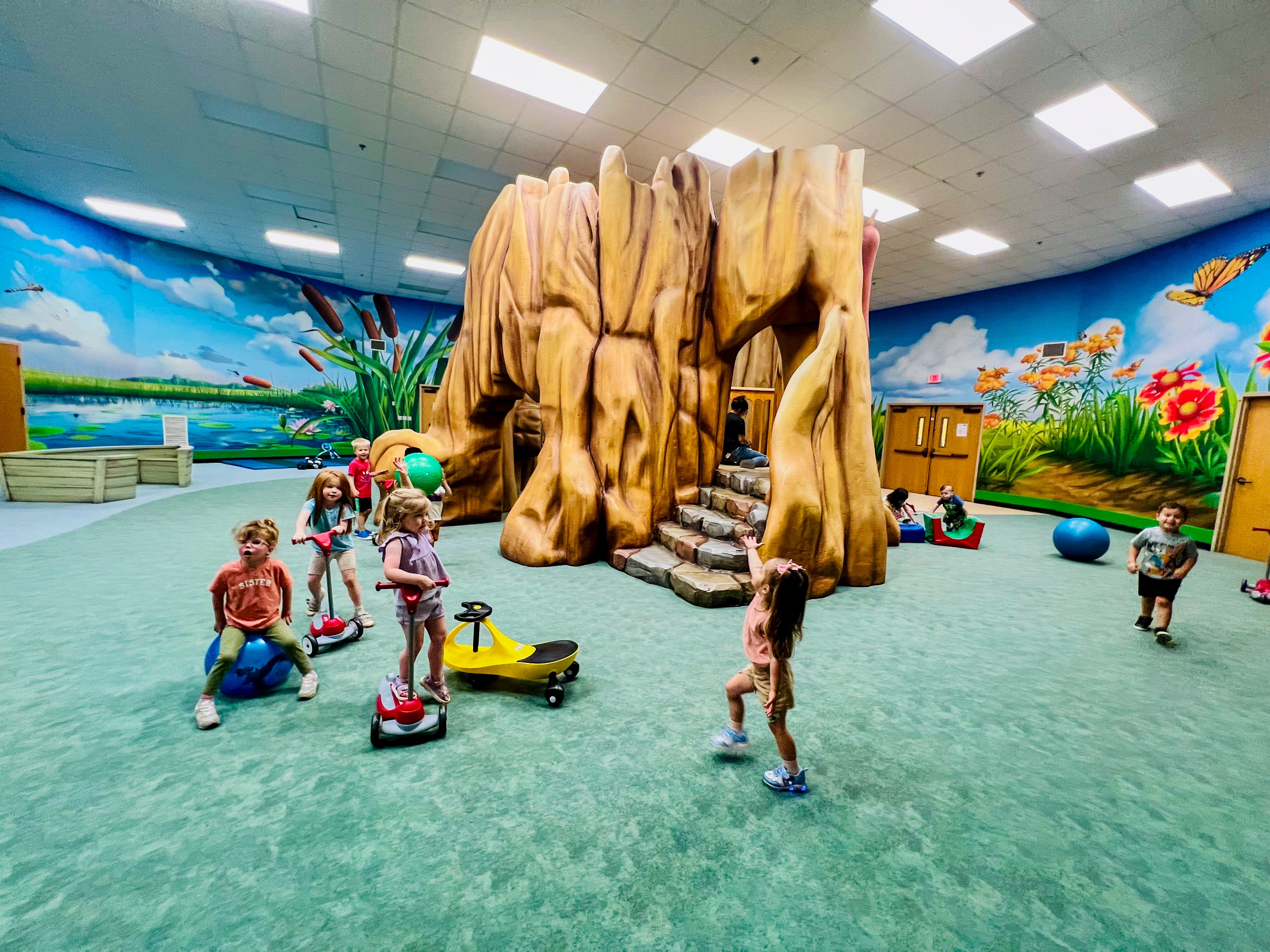
A well-told spatial story doesn’t have to be frozen in time. Some of the most compelling environments are the ones that evolve—responding to users, seasons, or even cultural shifts. Storytelling in space isn’t just about designing an environment—it’s about designing an experience that can adapt and grow.
This might take the form of seasonal overlays or interactive elements that change based on user input. It could include rotating exhibits that offer new chapters in an existing storyline. It might mean leaving space in the design for community-created content—murals, installations, or programming that reflects local voices.
Technology has expanded the possibilities. Projection mapping, ambient soundscapes, or AR layers can be used to introduce new scenes or reframe old ones—without changing the physical build. But adaptive storytelling doesn’t require tech. A well-designed bulletin board, chalk wall, or scavenger hunt path can give visitors a reason to come back and find something new.
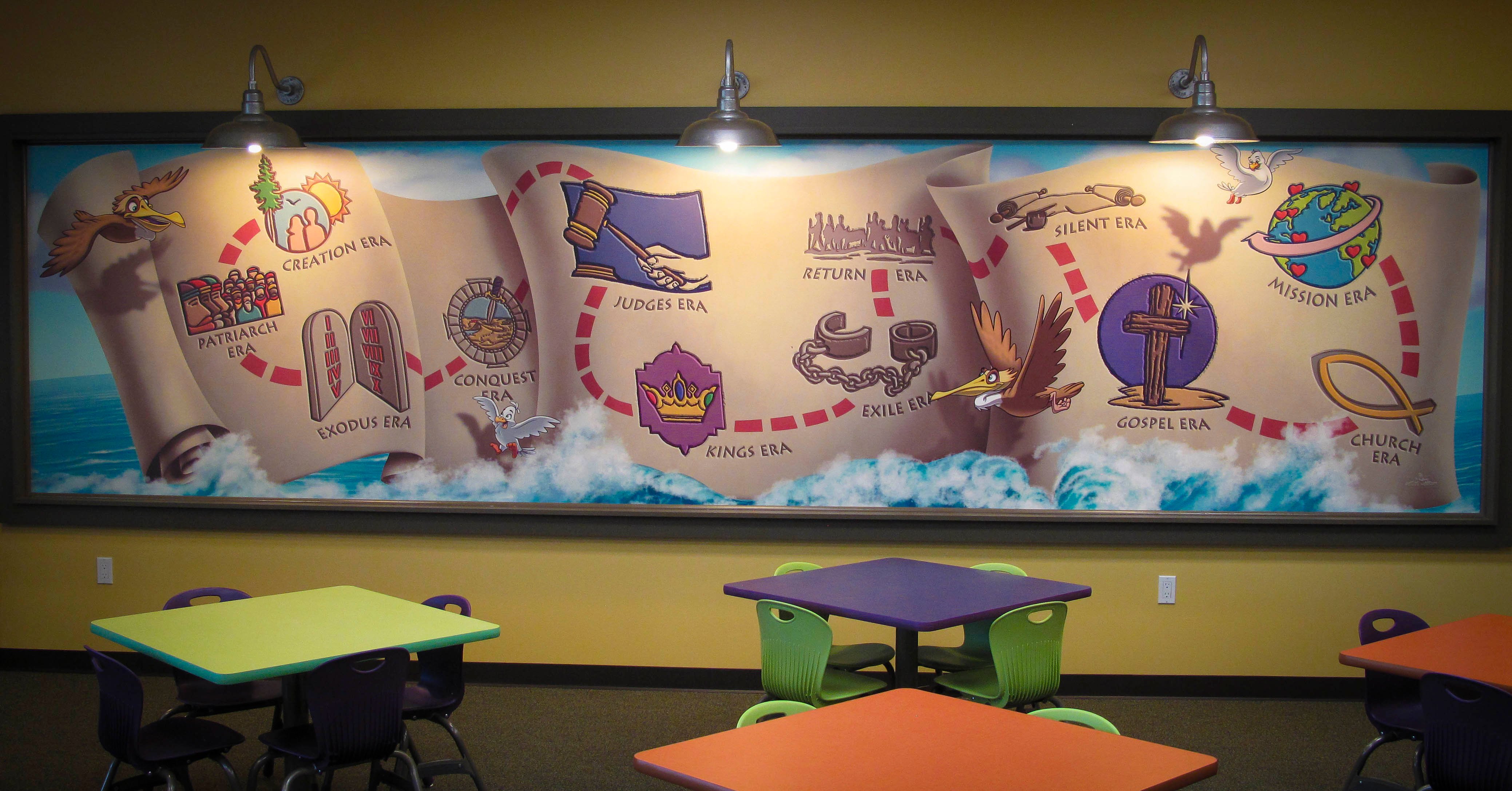
The key is to treat your narrative like a living system. If the space itself can stay relevant and responsive—while staying true to its story—it invites repeat engagement. People return not just because the place is beautiful, but because the story continues.
Storytelling Across Contexts: Beyond Kids' Spaces
Though many narrative spaces are designed for families and children, the principles of narrative design apply far beyond those settings. Universities, airports, public libraries, wellness centers, and even corporate campuses can benefit from clear narrative intention.
In these environments, storytelling becomes a way to express values and guide behavior. A university campus, for instance, can use storytelling to reinforce the idea of intellectual transformation—a journey that begins with orientation and culminates in achievement. Pathways become metaphors. Buildings take on symbolic meaning. Landmarks function as narrative milestones.
In a healthcare setting, a story-driven environment can support healing by giving patients a sense of control or purpose. In a retail setting, storytelling can enhance brand identity and customer engagement. And in a workplace, narrative can reflect company culture and foster collaboration—think innovation labs that tell the story of creative process, or break rooms that offer moments of calm and reset.

Themed environments aren’t just for fun. They’re for focus, emotion, identity, and memory. A strong story—well-told in space—can help users navigate not just the layout, but the purpose of the place. Whether the audience is five or fifty-five, story builds connection.
Designing with Intentional Narrative
When designers treat storytelling not as garnish but as structure, they unlock the full expressive potential of space. A narrative-rich environment invites participation, deepens engagement, and gives people a reason to come back.
Whether you’re designing a park district, a pediatric office, a campus, or a public installation, the challenge is the same: don’t just build a space. Craft a story. Let your visitors step inside. Design a place where the imagination has room to move. Where every surface whispers something. And where the story is always just beginning.
Stay in the know with Wacky World Studios! We're here to help you with all stages of your theming journey. Make sure you sign up for our monthly newsletter and subscribe to this blog for even more handy theming resources and information. You can also find lots of great inspiration by following us on social media. Our Pinterest and Instagram pages are overflowing with photos and ideas.
And for you DIYers, be sure to check out our online shop at WackyWorldDIY.com.
This article was co-written with human creatives and AI tools, and the content was checked for clarity and accuracy. Photo/video credits: Wacky World Studios, Charles Coleman Photography, Bourbonnais Township Park District, and Special Care, Inc.