

Before someone tastes the food, hears the lesson, checks in for an appointment, or explores an exhibit, they are already forming an impression.
They notice the lighting.
The sounds.
The energy of the room.
The details.
The atmosphere.
And whether they realize it or not, those environmental cues shape how they perceive the entire experience.
According to Jamie DeRuyter, Entertainment Design Department Head at Ringling College of Art and Design, a well-designed themed environment can create a perceived sense of greater quality—not because the environment replaces the core experience, but because it supports and elevates it.
Course Syllabus
We Experience Spaces as a Whole
"It Was the Whole Experience."
The Environment Supports What Happens Inside It
Perception Is Part of the Experience
A Real-World Example: The First Impression Matters
Why This Matters Beyond Themed Entertainment
The Quiet Power of Good Design
Key Takeaways
Watch the Interview
Frequently Asked Questions
- How does environment shape perception ?
- Why does atmosphere matter in design?
- Can design make an experience feel more valuable?
- What is perceived quality?
- Can these principles be applied outside of themed entertainment?
We Experience Spaces as a Whole
People rarely evaluate experiences one piece at a time.
Think about a restaurant.
Most guests don't separate the food, music, lighting, service, décor, and atmosphere into neat categories. They walk away with one overall impression:
That was great.
Or it wasn't.
The same is true in many physical environments. A children's ministry, museum, healthcare facility, school, or recreation center may offer excellent programming or service, but the environment still influences how people feel about the experience as a whole.
A space doesn't have to be elaborate to shape perception.
It just has to feel intentional, cohesive, and connected to the experience happening inside it.
"It Was the Whole Experience"
In the interview, DeRuyter shares an example of a themed Cuban restaurant in Orlando. He describes the environment as lively, active, colorful, and well done. The music is loud, the staff is friendly, and the whole experience feels exciting.
Then he asks an important question:
Was the food itself better?
Maybe.
Maybe not.
The point is that guests don't walk away evaluating the food in isolation. They remember the experience surrounding it.
“It was the whole experience.”

That idea is important for any organization that welcomes families, visitors, patients, students, or guests.
The environment becomes part of the value people perceive.
The Environment Supports What Happens Inside It
A great environment can't make up for poor service, weak programming, or a confusing experience. But it can support something good and help it feel even stronger.
A thoughtfully designed children's ministry environment can make families feel more confident and excited about participating.
A themed pediatric space can help children feel more comfortable before an appointment.
A museum exhibit can make information feel more engaging and memorable.
A recreation facility can feel less like a building and more like a destination.
In each case, the environment is not separate from the experience. It helps shape the way people receive it.
Perception Is Part of the Experience
Perception matters because people make decisions based on how experiences feel.
Does this place seem welcoming?
Does it feel professional?
Does it feel cared for?
Does it feel worth returning to?
Does it feel like something special is happening here?
These impressions begin forming almost immediately. Before a parent has fully checked in, before a child joins an activity, before a guest reads the first sign, the environment is already communicating something.
That message can be accidental. Or it can be intentional.
A Real-World Example: The First Impression Matters
At Trinity Church in Deltona, Florida, the children's ministry team wanted more than beautifully themed classrooms and hallways.
They wanted children to feel comfortable from the moment they walked through the door.
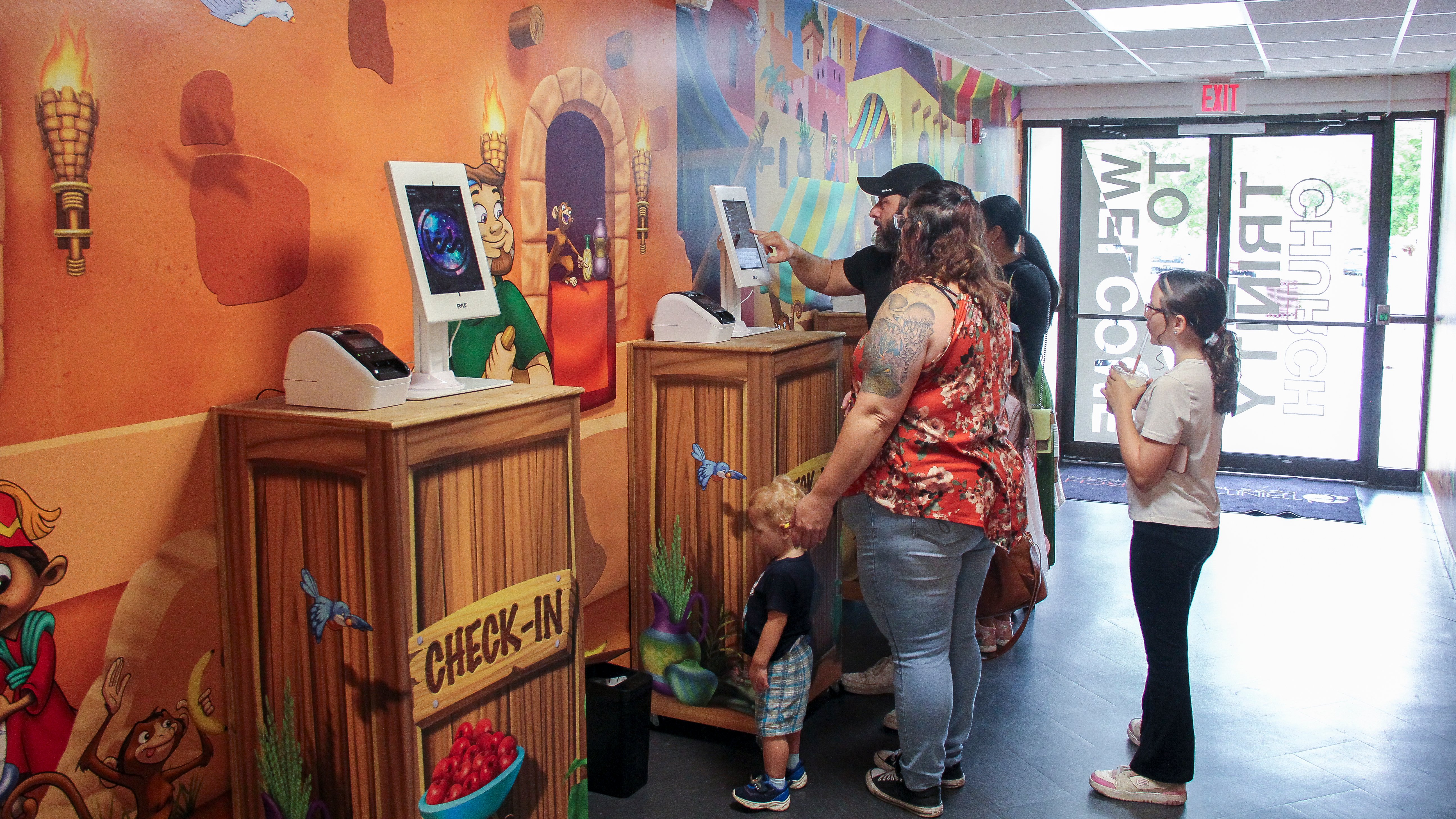
As Executive Pastor William Manzano explains, many children arrive hesitant about being separated from their parents. But when they enter a space designed specifically for them, that hesitation often begins to fade.
"They'll come, you can see them walking through the door like, 'I don't want to come.' But then they see all this stuff, and they're like, 'Yeah!'"
The themed environment doesn't replace caring volunteers, strong teaching, or a welcoming ministry.
Instead, it reinforces those things.
The environment immediately communicates that this is a place created with children in mind—a place where they can feel comfortable, excited, and ready to learn.
Parents notice it, too.
As Manzano explains, once families see the environment and the care that's gone into creating it, they feel more confident leaving their children in the ministry's care.
It's a perfect example of how the environment influences perception before a single lesson is taught.
Why This Matters Beyond Themed Entertainment
Themed entertainment may offer some of the clearest examples of environmental perception, but the principle applies almost anywhere.
Churches
A well-designed children's area can help communicate care, preparation, and excitement before programming even begins.
Healthcare
A warm, engaging environment can help reduce the sterile feeling many families associate with clinical spaces.
Museums
Immersive exhibits can make information feel more meaningful and easier to connect with.
Schools and Libraries
Thoughtful environments can encourage curiosity, exploration, and a stronger sense of belonging.
Parks and Recreation
Themed spaces can help turn everyday facilities into destinations families remember and revisit.
No matter the setting, the environment contributes to how people judge the experience.
The Quiet Power of Good Design
One of the most interesting points DeRuyter makes is that people may not always realize the environment is influencing them.
They may not say:
“The lighting made that feel more exciting.”
Or:
“The themed setting made the experience seem higher quality.”
They simply say:
“That was amazing.”
That is often the quiet power of good design.
When the environment works well, it doesn't always draw attention to itself. Instead, it helps the whole experience feel better, stronger, and more memorable.
Key Takeaways
- People evaluate experiences as a whole, not as isolated parts.
- Environment can influence perceived quality, value, and enjoyment.
- Thoughtful design supports the experience happening inside the space.
- Strong environments can create better first impressions.
- People may not always realize how much the environment shapes their perception.
Watch the Interview
In this sixth installment of What Themed Entertainment Can Teach Us About Designing Memorable Spaces, Jamie DeRuyter explains how themed environments can elevate the overall experience and influence how people perceive quality, value, and impact.
Frequently Asked Questions
How does environment shape perception?
Environment shapes perception by influencing how people feel, what they notice, and how they evaluate the overall quality of an experience.
Why does atmosphere matter in design?
Atmosphere helps set expectations and can make a space feel more welcoming, engaging, professional, exciting, or memorable.
Can design make an experience feel more valuable?
Yes. While design cannot replace quality service or programming, it can support and elevate the experience, which may influence how people perceive its value.
What is perceived quality?
Perceived quality is how people judge the quality of an experience based on their overall impression, including environment, atmosphere, service, and emotional response.
Can these principles apply outside of themed entertainment?
Yes. Churches, healthcare facilities, museums, schools, libraries, and recreation spaces can all use environmental design to strengthen the overall experience.
Stay in the know with Wacky World Studios! We're here to help you with all stages of your theming journey. Make sure you sign up for our monthly newsletter and subscribe to this blog for even more handy theming resources and information. You can also find lots of great inspiration by following us on social media. Our Pinterest and Instagram pages are overflowing with photos and ideas.
And for you DIYers, be sure to check out our online shop at WackyWorldDIY.com.
This article was co-written with human creatives and AI tools, and the content was checked for clarity and accuracy. Photo/video credits: Wacky World Studios, Bayview Glen Church, and Pediatric Dentistry of North Georgia.