

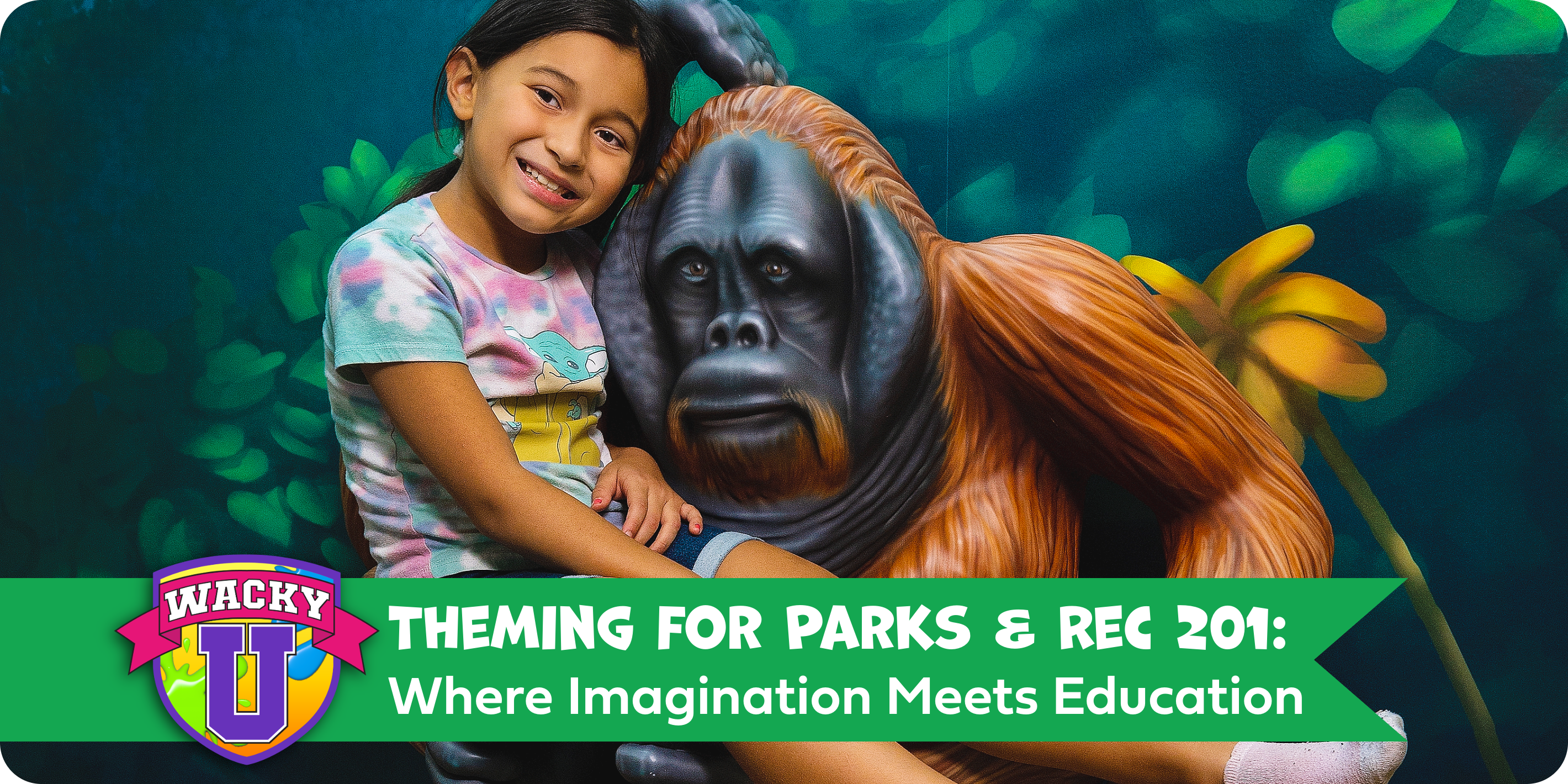
A great indoor play space does more than give children a place to move. It gives them a place to wonder, test, build, pretend, solve, and connect.
For parks and recreation professionals, that distinction matters. Indoor play areas are often viewed as amenities, but when they’re designed with intention, they can become powerful learning environments. Not formal classrooms. Not programmed lessons. Environments where learning happens because the space invites it.
Children learn through movement, conversation, repetition, problem-solving, and imagination. A well-designed indoor play space can bring all of those experiences together in a way that feels natural and engaging.
Course Syllabus
Playful Learning Starts with Intentional Design
- Designing with Learning in Mind
- Translating Design into Experience
Why Indoor Spaces Offer Unique Learning Opportunities
- Consistency and Control
- Expanding the Learning Environment
From Active Play to Meaningful Play
- Creating Context Through Design
- Reflecting Community and Story
Guided Play Without Over-Programming
- Finding the Right Balance
- What It Looks Like in Practice
Indoor Play as a Community Learning Asset
- Everyday Access to Learning
- Connecting Indoor and Outdoor Learning
Designing for Discovery, Conversation, and Imagination
- Encouraging Curiosity and Interaction
- Design That Supports Engagement
Where Education Meets Imagination
Playful Learning Starts with Intentional Design
Designing with Learning in Mind
The strongest indoor play spaces begin with a learning goal, even when that goal is invisible to the child.
Research on playful learning shows that children benefit when play combines freedom with thoughtful guidance. The National Association for the Education of Young Children explains that guided play allows children to remain active explorers while adults, materials, or the environment help focus attention toward a learning outcome. The organization also notes that guided play has been connected to learning across areas such as vocabulary, spatial skills, literacy, and mathematics.
That matters for indoor play design because the “guide” does not always have to be a person. The space itself can guide learning.
Translating Design into Experience
A nature-themed climbing area can introduce animal habitats. A pretend market can build early math and communication skills. A local history wall with interactive elements can invite storytelling. A maze, tunnel, or balance path can encourage planning, sequencing, and spatial reasoning.
The child experiences play. The design supports learning.
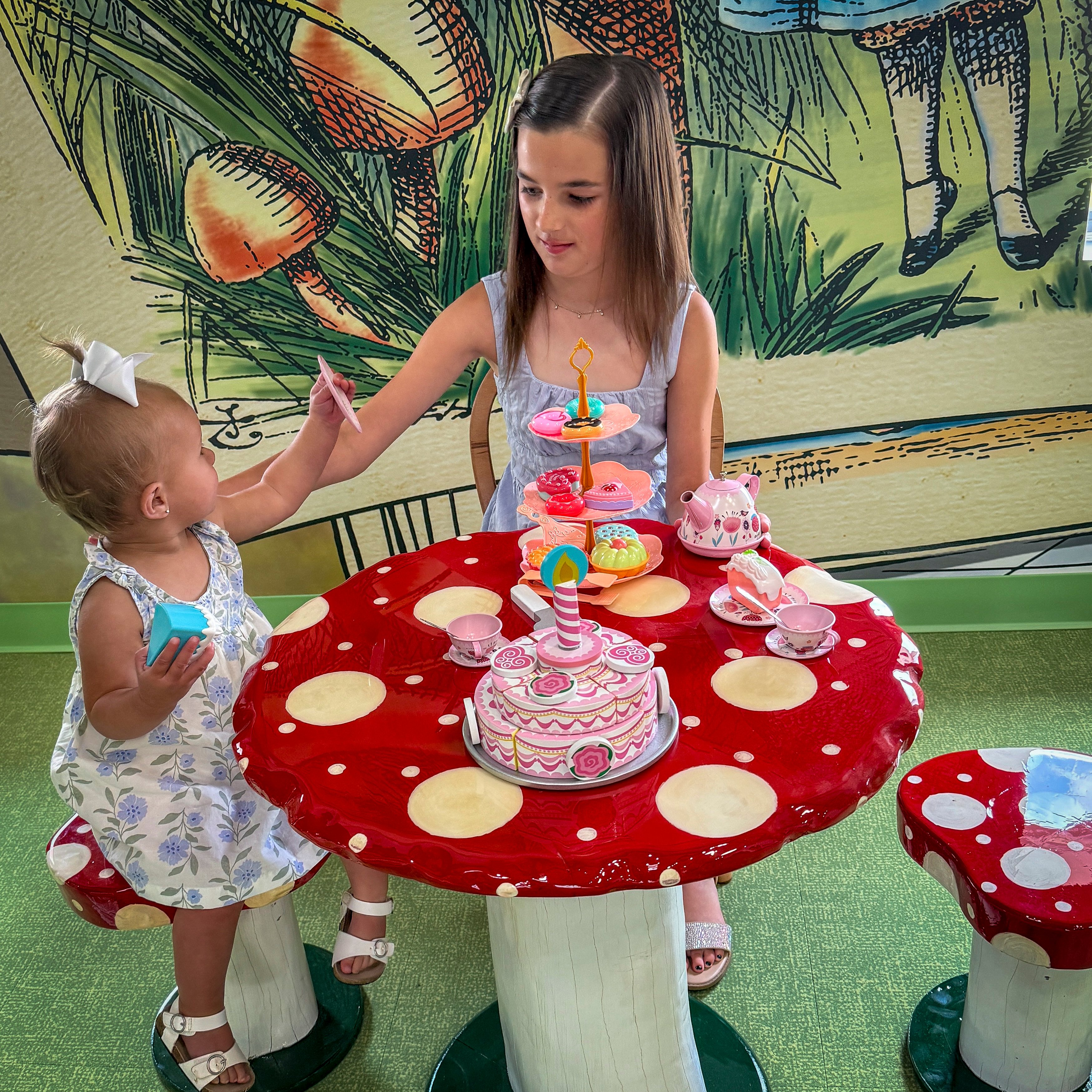
Why Indoor Spaces Offer Unique Learning Opportunities
Consistency and Control
Outdoor play brings enormous value, but indoor environments offer a different kind of opportunity. They allow communities to create consistent, year-round spaces where learning elements can be built directly into the experience.
Indoors, parks and recreation teams can control lighting, sound, layout, accessibility, and thematic details. That makes it easier to create zones for different types of learning: active exploration, quiet discovery, pretend play, sensory engagement, and caregiver-child interaction.
Expanding the Learning Environment
A 2022 article on Playful Learning Landscapes from Afterschool Matters notes that guided play can foster a specific learning goal through environmental design, gentle adult support, or both. It also emphasizes the role of community spaces, including recreation centers, libraries, museums, parks, and playgrounds, as important learning assets beyond school walls.
That idea fits naturally with indoor recreation. A community center can become more than a place families visit between school and home. It can become part of the local learning ecosystem.
-9A.png?width=2365&height=1577&name=REVISED%20APOPP%20ROCKINGHAM%20SNOEZELEN%20PRESENTATION%20(1)-9A.png)
From Active Play to Meaningful Play
Creating Context Through Design
The best indoor play spaces aren’t just active. They’re meaningful.
Movement is important, but movement alone doesn’t create a memorable learning experience. Meaning comes from context. It comes from connecting the play environment to things children recognize, imagine, and care about.
Reflecting Community and Story
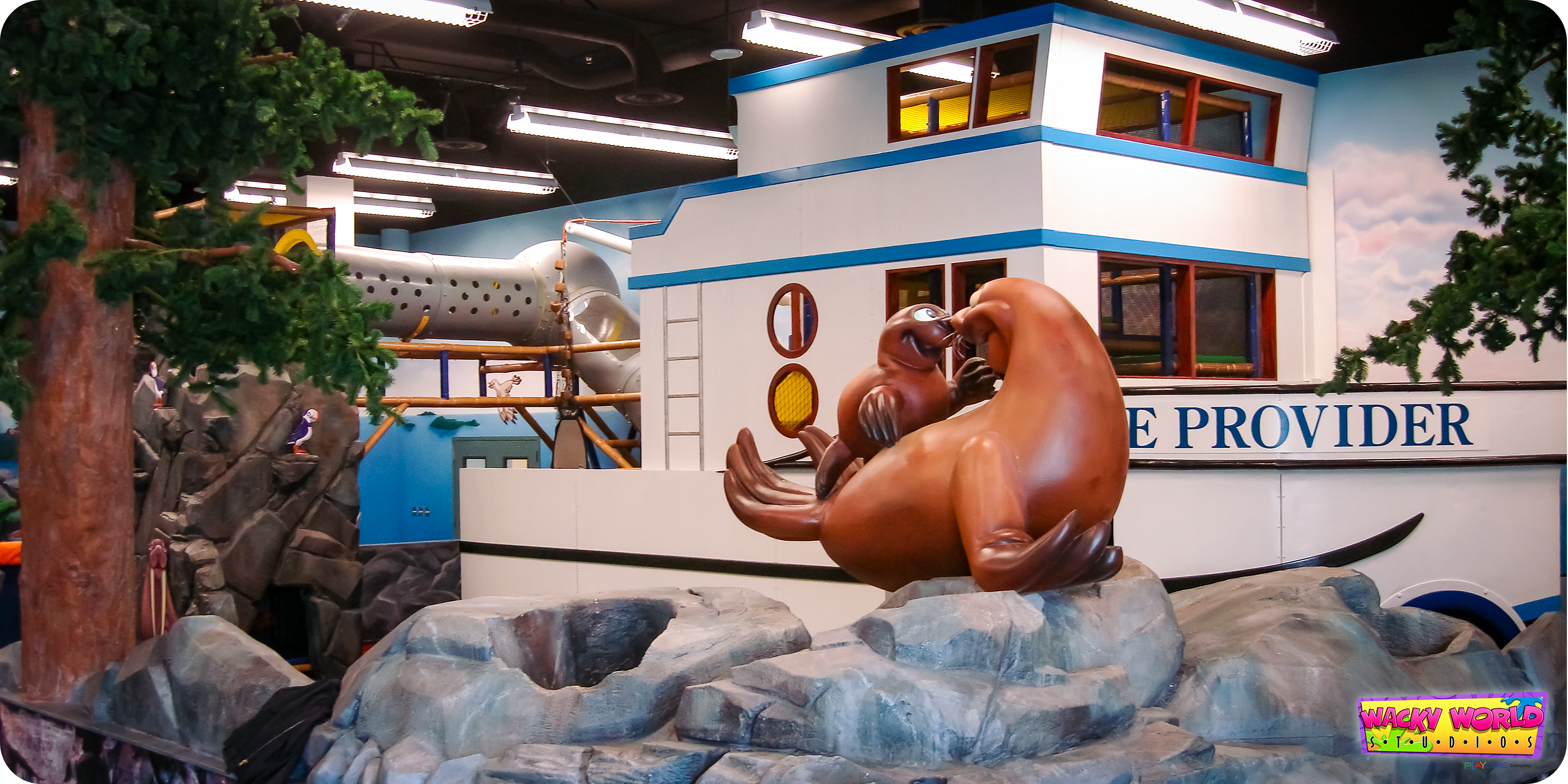
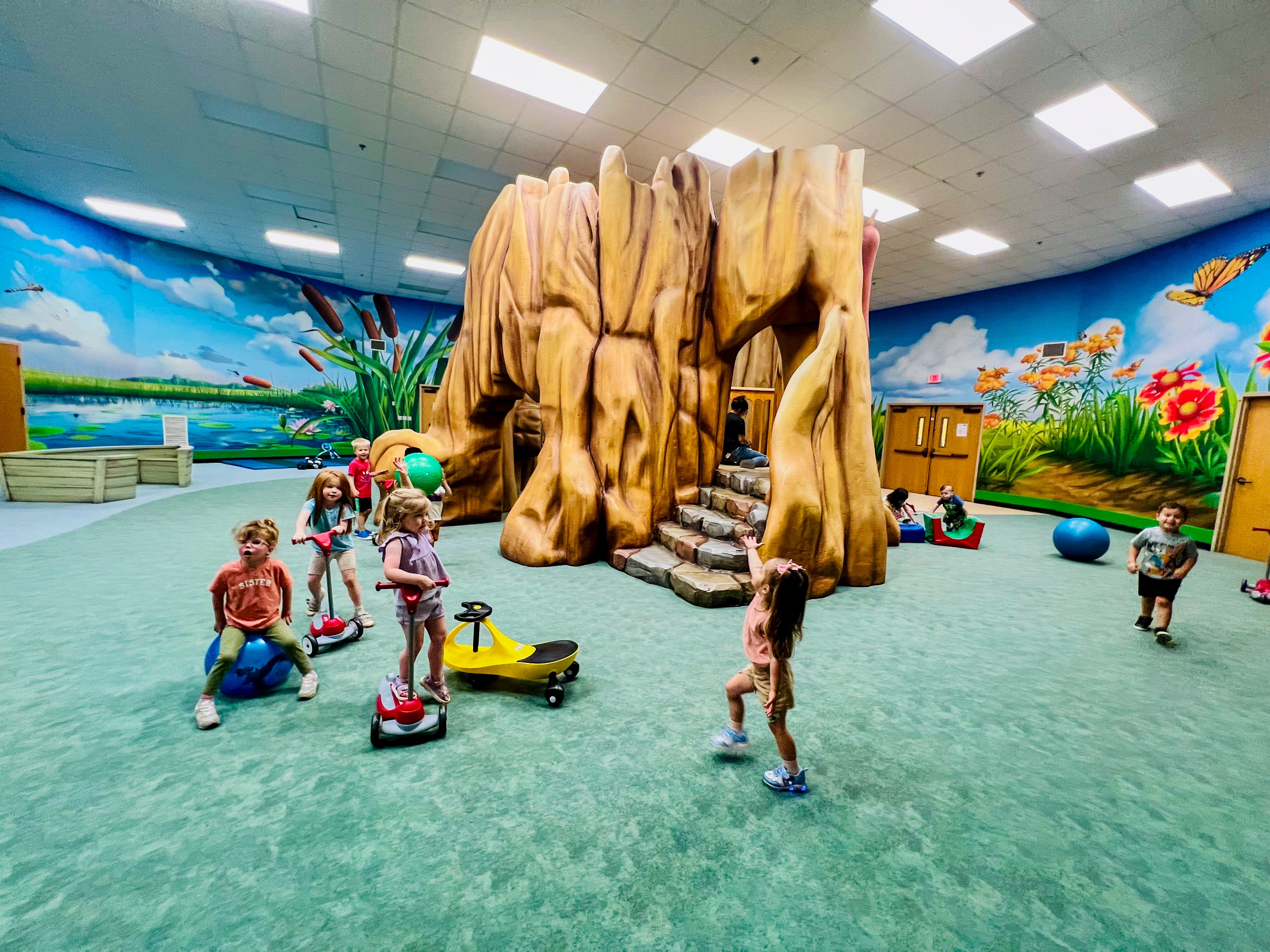
That could mean incorporating local wildlife, regional geography, neighborhood landmarks, community history, or cultural traditions. A coastal community might design an indoor play space around marshes, boats, tides, and sea life. A mountain town might use caves, trails, animal tracks, and ranger stations. A city recreation center might create a mini streetscape with transit, markets, public art, and civic spaces.
These details give children more than something to climb on. They give them something to talk about, ask about, and build stories around.
Playful Learning Landscapes research supports this community-based approach, noting that culturally relevant, co-designed public spaces can encourage richer adult-child conversations and support literacy-related interactions.
-1.jpg?width=3264&height=1836&name=Changepoint%20Alaska%20%20(17)-1.jpg)
.jpg?width=1440&height=1080&name=Changepoint%20Alaska%20DSC01701%20(129).jpg)
Guided Play Without Over-Programming
Finding the Right Balance
One challenge for parks and recreation professionals is finding the right balance. A space should support learning, but it should not feel overly directed.
Guided play offers that middle ground. In a systematic review and meta-analysis published in Child Development, researchers describe guided play as an approach that combines children’s motivation and exploration with support that extends learning. The review found evidence that guided play can support academic and social-emotional outcomes in early childhood settings.
What It Looks Like in Practice
For indoor play spaces, this can look simple:
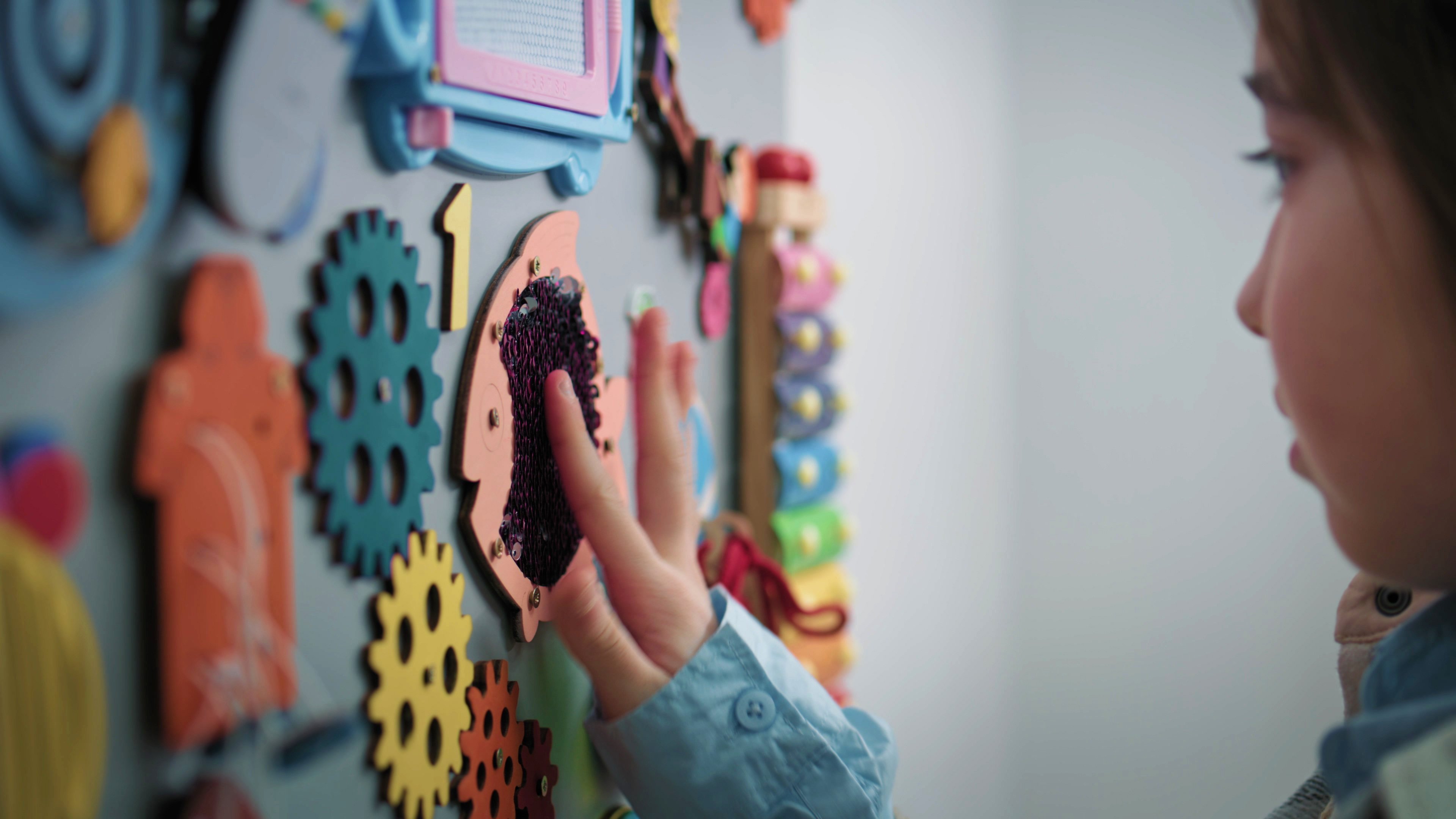
An interactive gear wall introduces cause and effect. A construction-themed area encourages planning and collaboration. A pretend veterinary clinic builds empathy, language, and role play. A regional map built into the floor invites children to move, navigate, and identify familiar places.
None of these features need to lecture. They simply invite children to engage more deeply.
Indoor Play as a Community Learning Asset
Everyday Access to Learning
Parks and recreation agencies are uniquely positioned to make learning more accessible because their spaces are already trusted gathering places.
Families come to community centers for activity, connection, childcare, programming, and social support. When indoor play spaces are designed with learning in mind, those everyday visits become richer.
Connecting Indoor and Outdoor Learning
An article by GameTime, a sister-company of Wacky World Studios, on outdoor education makes a useful point that applies here: learning environments are strongest when they encourage hands-on exploration, movement, and interaction. While the article focuses on outdoor settings, the principle translates well indoors. The goal is not to copy an outdoor classroom inside, but to carry over the same spirit of active discovery.
Indoor spaces can also complement outdoor parks and playgrounds. A child might learn about native birds, animal tracks, or local waterways indoors, then recognize those same ideas later on a trail, at a park, or during a recreation program.
That connection makes the entire parks system feel more intentional.
Designing for Discovery, Conversation, and Imagination
Encouraging Curiosity and Interaction
Learning does not happen only when a child completes a task. It happens when they ask, “What is this?” “Why did that happen?” “Can we try it another way?” or “What if this was our store?”
That is why indoor play spaces should be designed to spark conversation.
The American Academy of Pediatrics’ clinical report, The Power of Play, explains that play supports cognitive, language, social-emotional, and self-regulation skills that help build executive function.
Design That Supports Engagement
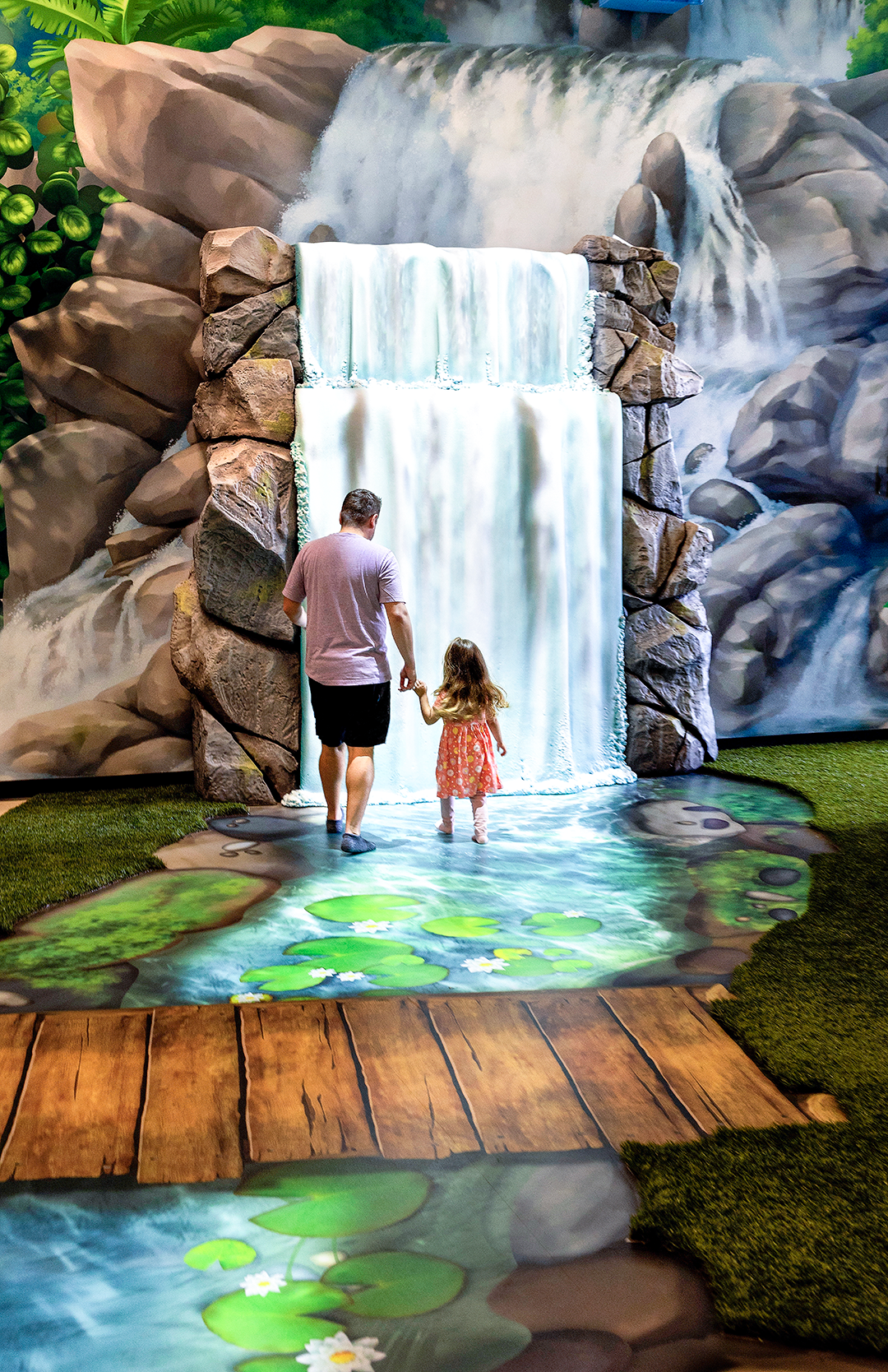
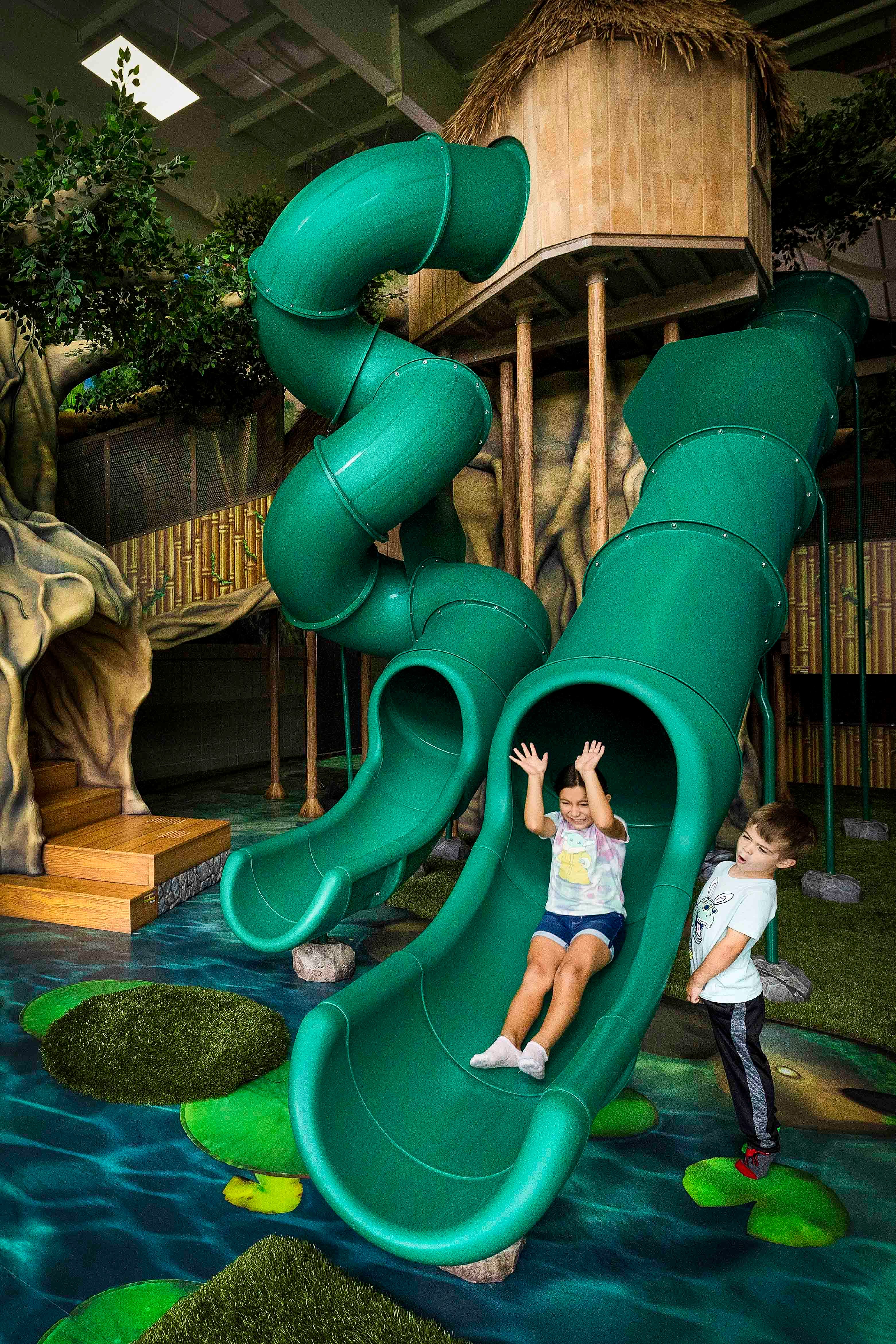
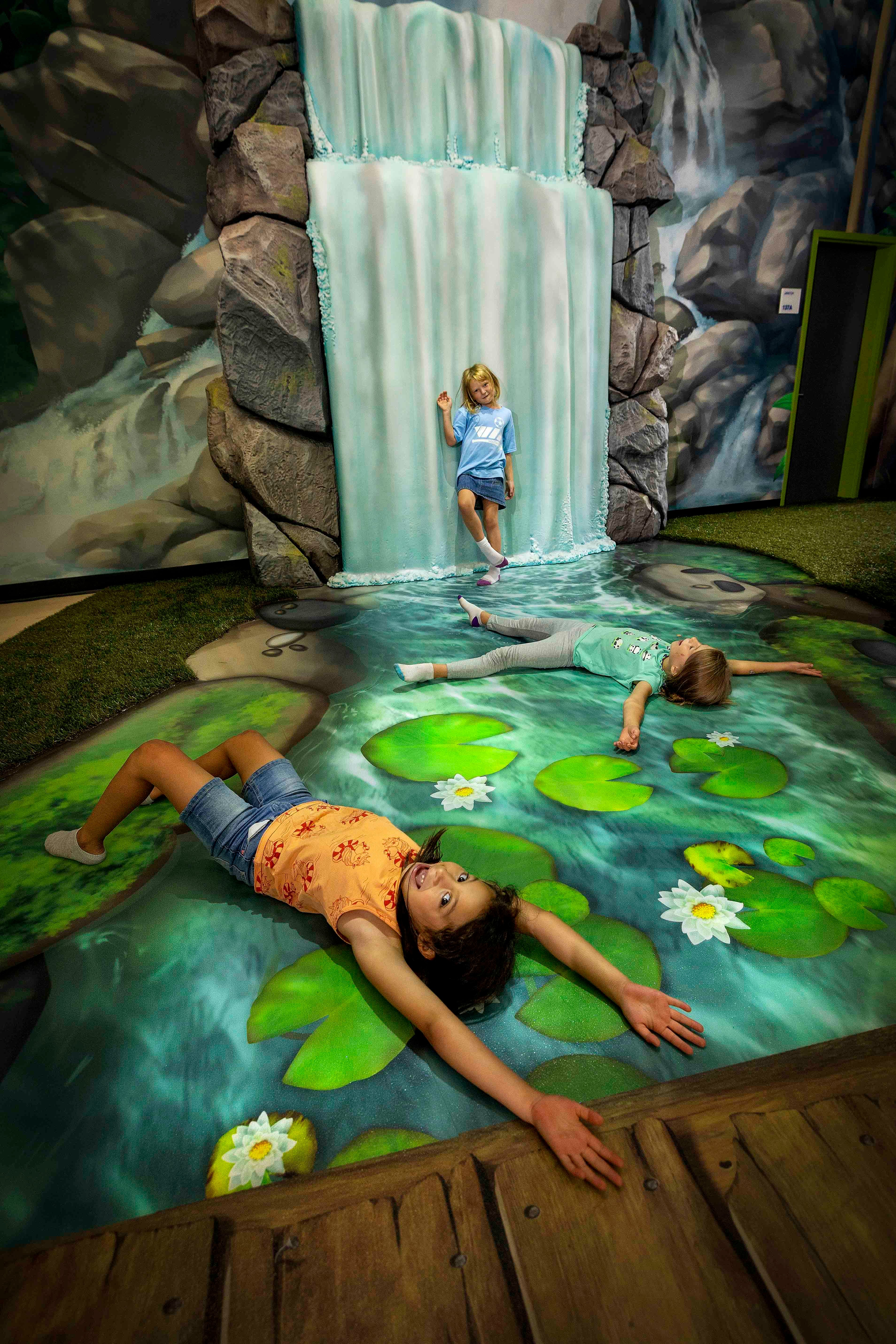
For indoor environments, that means every design choice can serve a purpose. Sightlines help caregivers participate. Themed elements give families something to discuss. Sensory features invite observation and comparison. Pretend play areas encourage storytelling and cooperation.
The more a space invites interaction, the more learning potential it creates.
Where Education Meets Imagination
Indoor play spaces do not need to choose between fun and learning. The best ones understand that imagination is often the pathway to learning.
A child pretending to run a farmer’s market is practicing communication, counting, sorting, and cooperation. A child climbing through a “forest canopy” is building coordination while absorbing ideas about nature. A group of children creating a rescue mission, building a city, or exploring a pretend museum is practicing language, planning, negotiation, and creative thinking.
For parks and recreation leaders, the opportunity is clear. Indoor play can be more than a rainy-day option or a family-friendly amenity. It can be a meaningful community asset that supports discovery, reflects local identity, and gives children new ways to understand the world around them.
When education and imagination work together, play becomes more than something children do. It becomes how they learn.
Stay in the know with Wacky World Studios! We're here to help you with all stages of your theming journey. Make sure you sign up for our monthly newsletter and subscribe to this blog for even more handy theming resources and information. You can also find lots of great inspiration by following us on social media. Our Pinterest and Instagram pages are overflowing with photos and ideas.
And for you DIYers, be sure to check out our online shop at WackyWorldDIY.com.
This article was co-written with human creatives and AI tools, and the content was checked for clarity and accuracy. Photo/video credits: Wacky World Studios, Charles Coleman Photography, Bourbonnais Township Park District, and Adobe Stock.